CROCK
CROCK
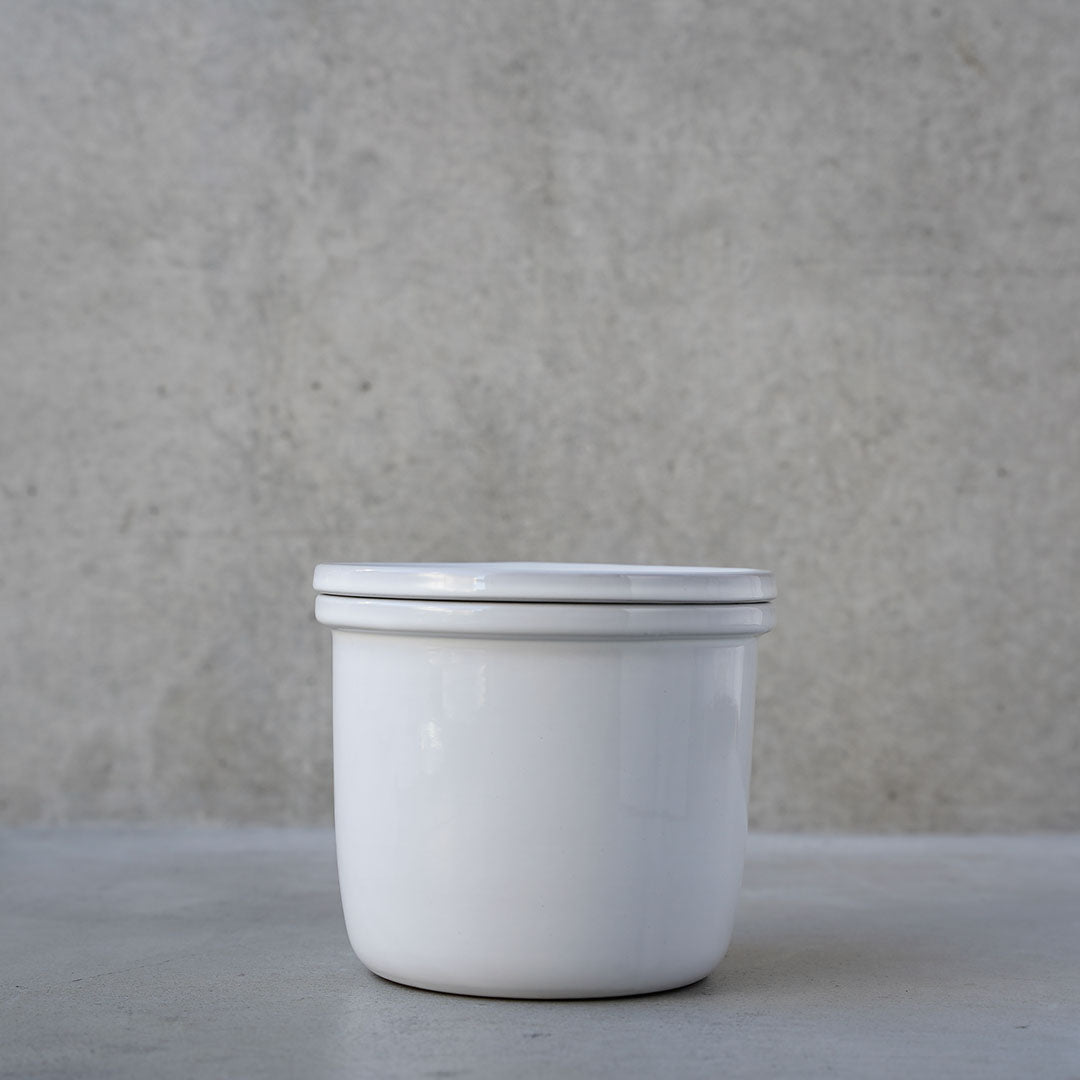
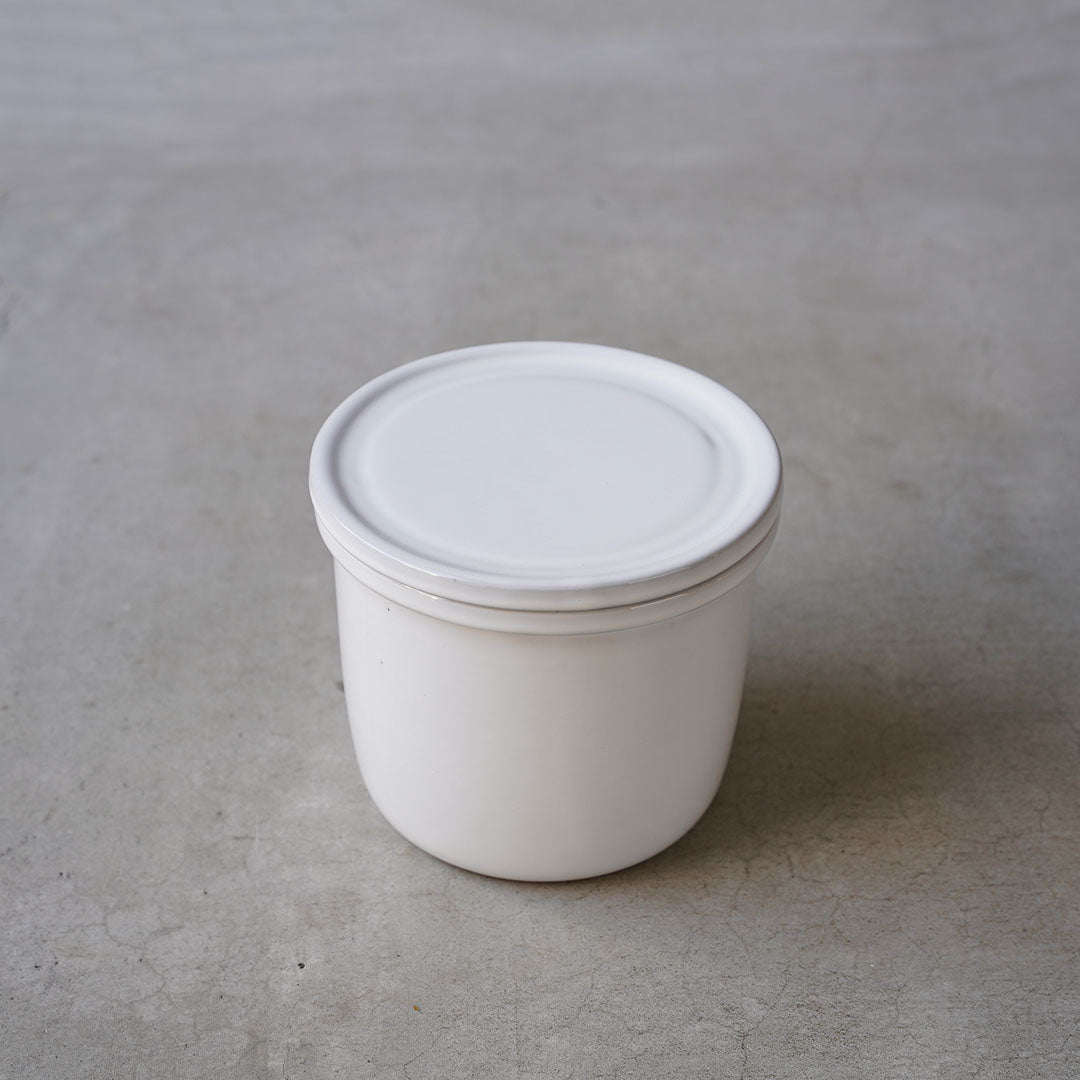
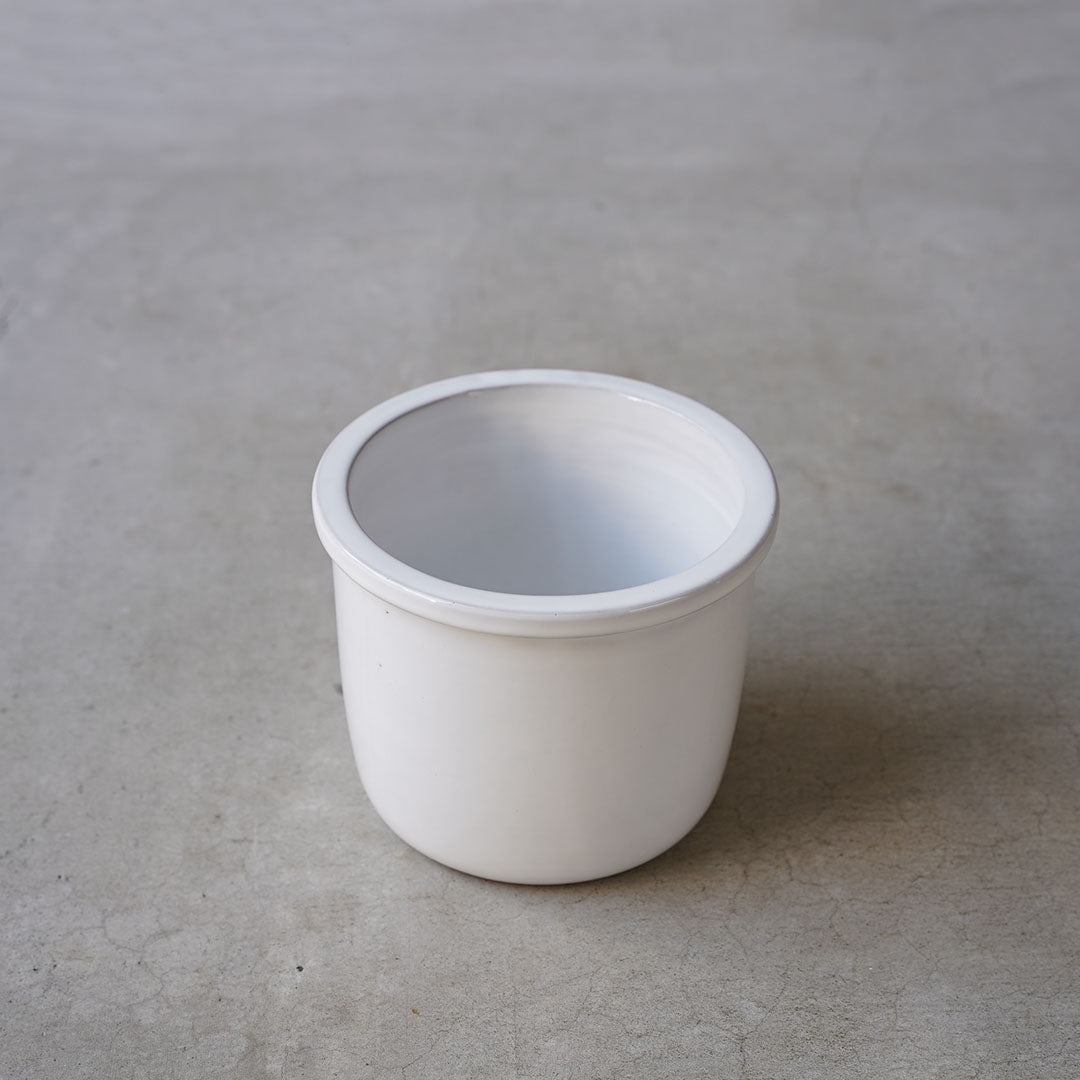
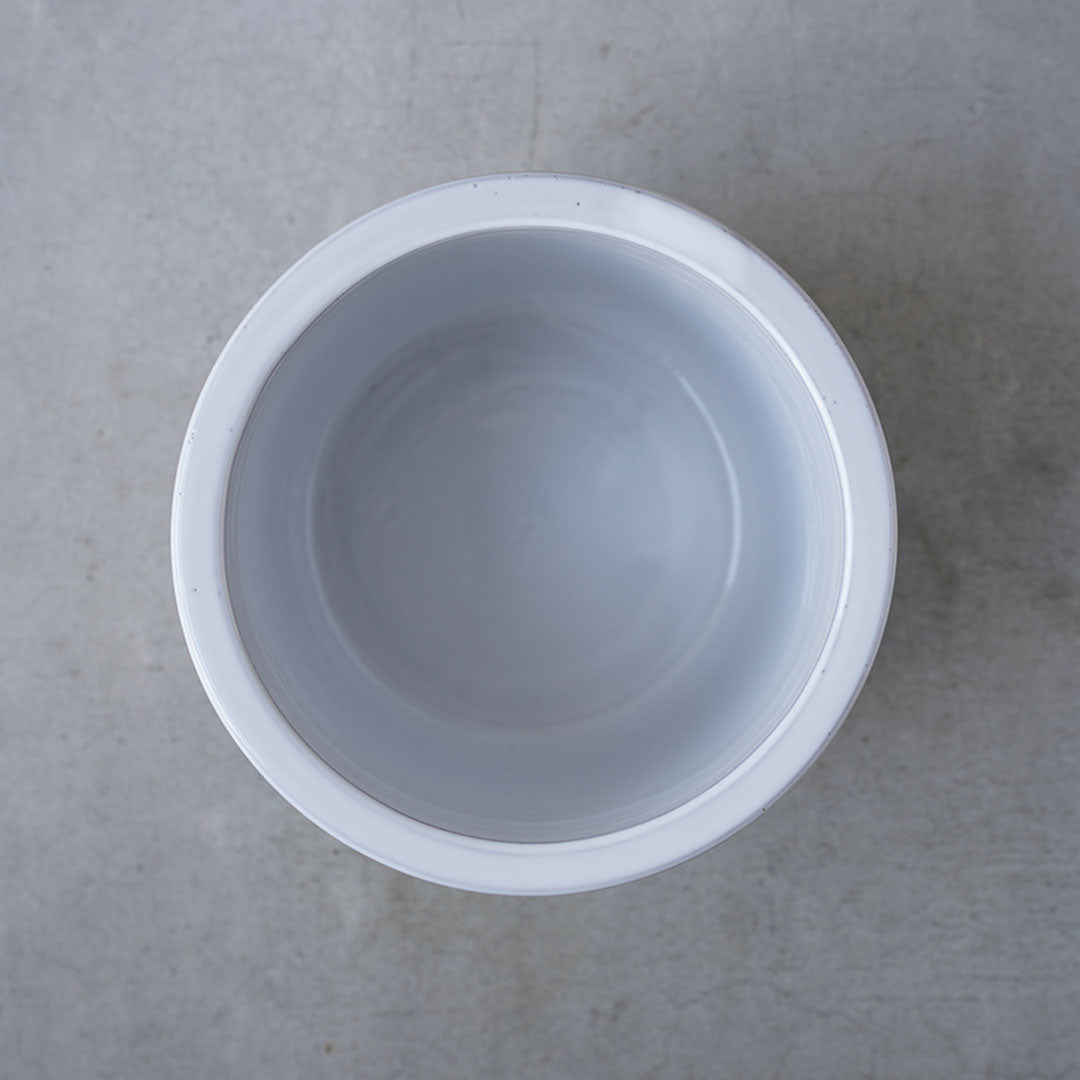
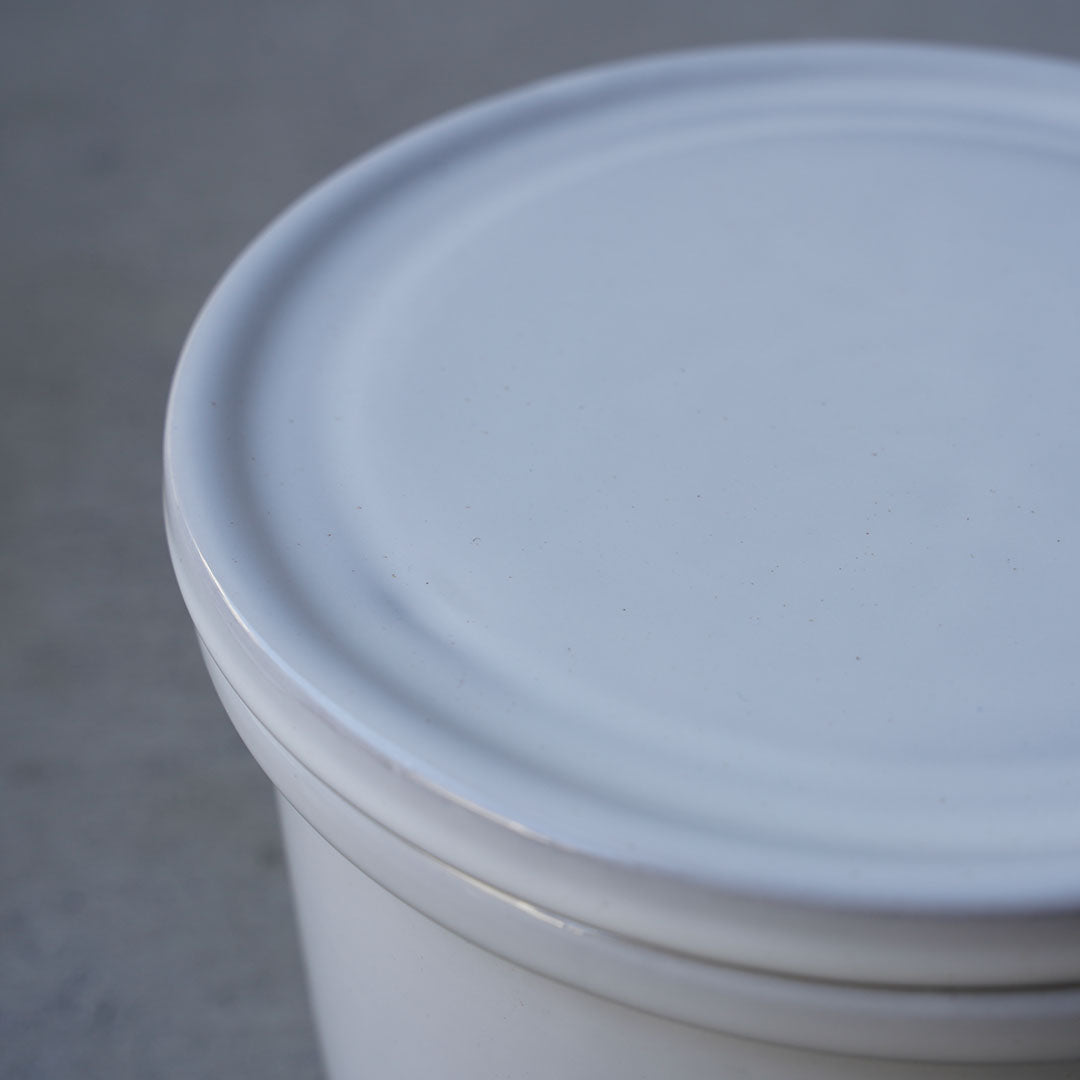
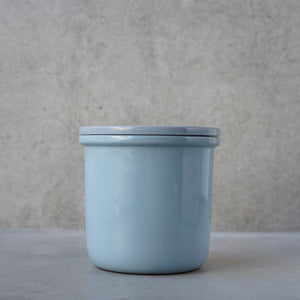
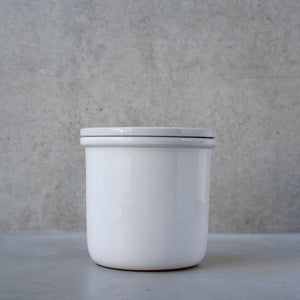
A CROCK is a lidded ceramic jar with glaze, used for storing things like miso, umeboshi (pickled plums), and nukazuke (rice bran pickles). These are made by Yamagen Toen, a Tokoname ware pottery studio on the Chita Peninsula in Aichi Prefecture, famous for producing teapots and heat-resistant tableware.
Tokoname crocks have long been transported nationwide by sea as storage containers for sake, water, grains, and more.
Incorporating their proven safety and quality into modern life, CROCK distinguishes itself from the traditional image of a crock with its modern, simple form and elegant, gentle pale white and blue colors.
The red clay used for CROCKs from Tokoname is rich in clay minerals and iron, making it an earthenware that becomes extremely low in water absorption when fired.
The thick walls of the container protect the contents from sudden temperature changes that lactic acid bacteria and yeast dislike, while the glaze sterilizes the inside and outside, protecting fermentation bacteria from mold.
Furthermore, there is no concern about color or odor transfer, and its versatility, as well as its resistance to acids and salts, makes it ideal for preparing and storing pickles, miso, umeboshi, nukazuke, and more.
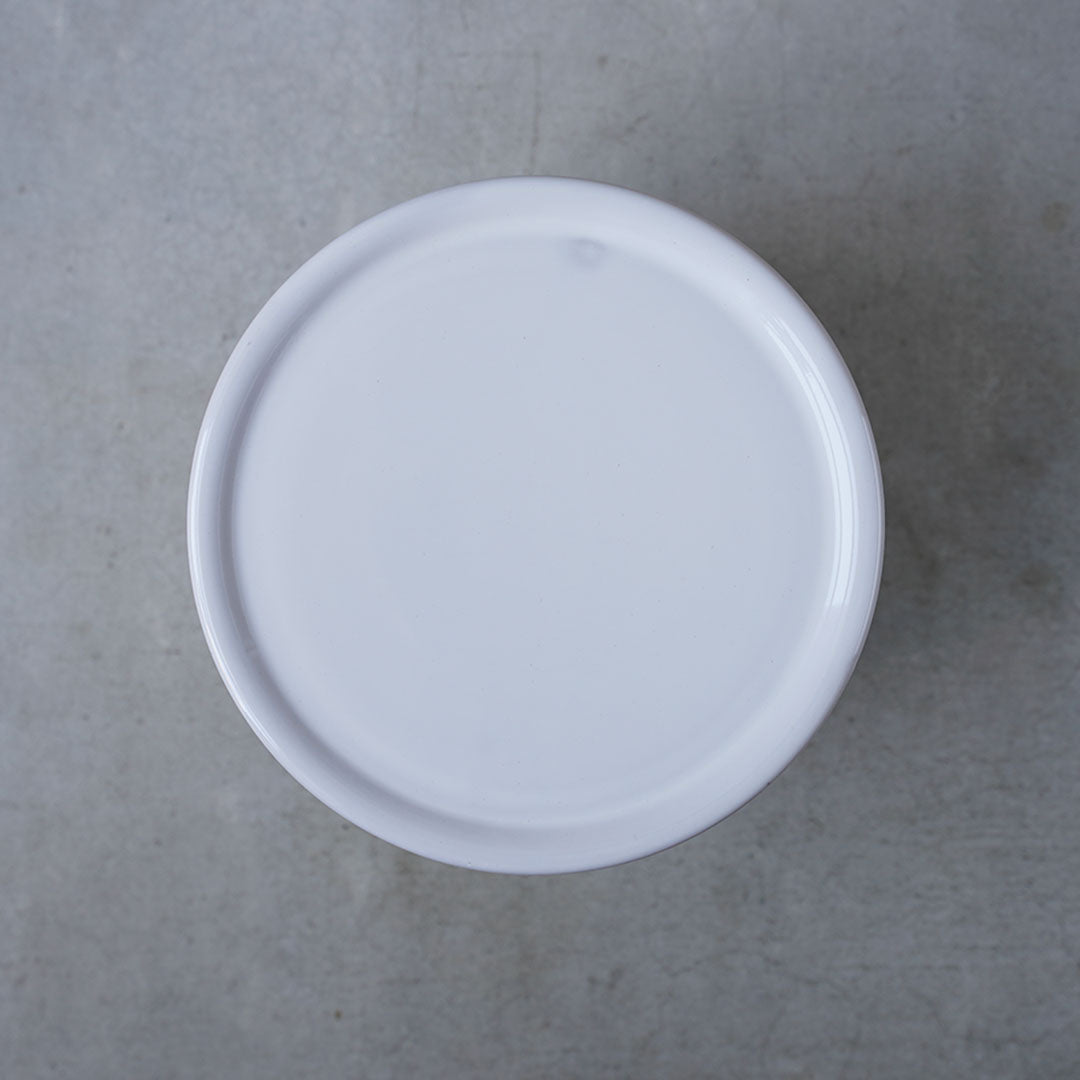
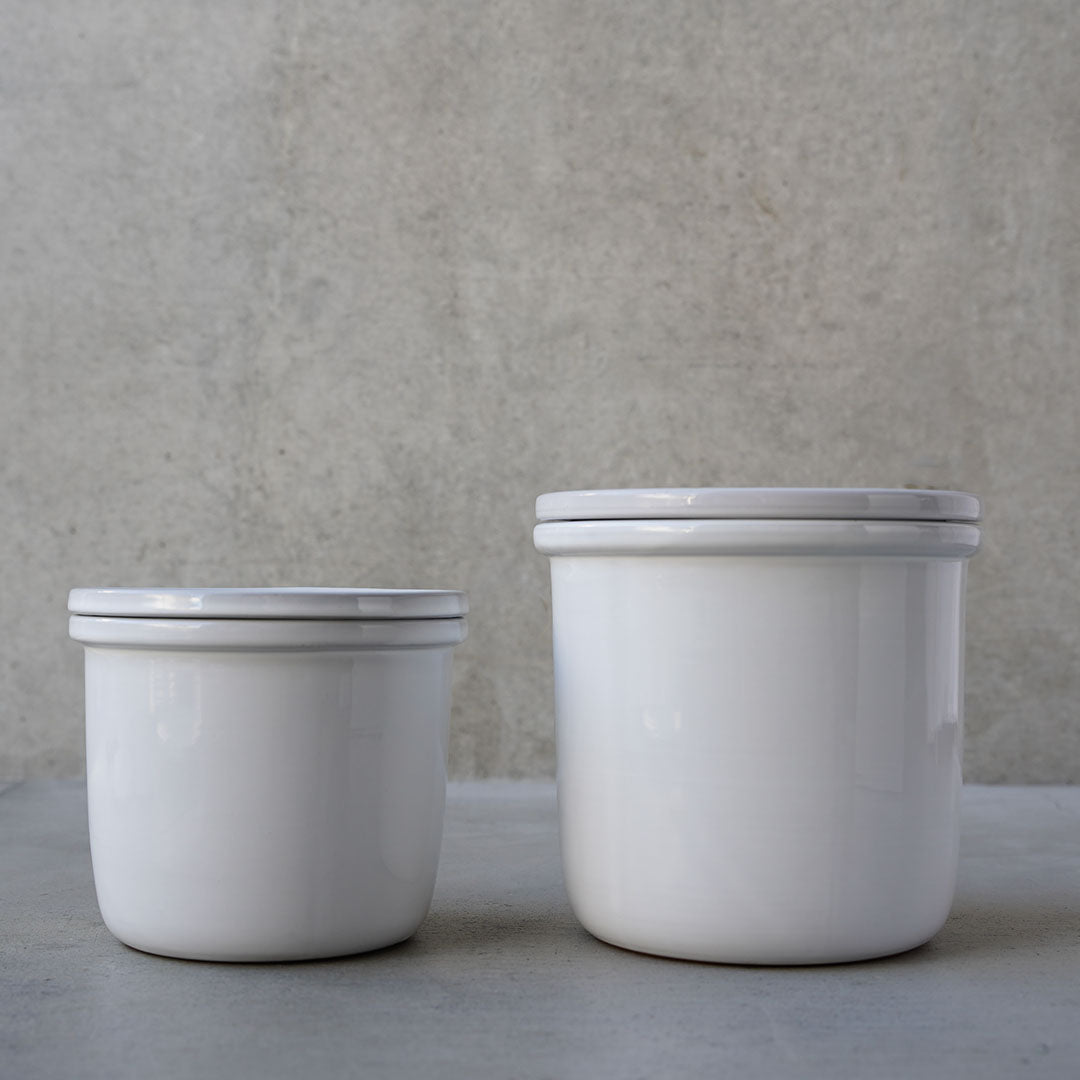
It's a stylish and innovative product that isn't too large for the kitchen, blends naturally into the interior, allows items to be placed on the lid, and can even be stacked.
I thought this would be easy for me to incorporate, so I decided to try using it at home.
The reason I discovered this product is, above all, my fascination with the power of fermentation.
 The Power of Fermentation
Fermented foods are easily absorbed by the body, improve gut health, boost immunity, and their antioxidants prevent cell oxidation. Additionally, amino acids and enzymes produced during fermentation are said to promote the generation of new cells, leading to potential skin-beautifying effects.
Furthermore, they are beneficial for boosting metabolism, preventing lifestyle-related diseases, aiding in recovery from fatigue, and reducing stress—truly an array of positive effects for the body.
Hearing "preservation, deliciousness, and health," I realized these benefits were perfect for my busy lifestyle.
Japanese food culture, with its highly respected sake, miso, pickles, and dashi, is profound. However, with the abundance of delicious restaurants now, dining out has increased, and on busy days, we might buy ready-made meals and quickly finish dinner.
I feel that opportunities to prepare Japanese food for myself at home have decreased.
It's a shame not to appreciate the charm of Japan's specialties, which are full of the power of fermentation as a cultural heritage.
Amidst this feeling of disconnect, I began to consciously think about starting gut health initiatives through fermented foods and wanting to boost my immunity and stay healthy. For me, this product was truly a perfect fit.
 Making Miso with CROCK
First, I'm trying my hand at "miso making," which is said to be relatively easy.
Even on cold mornings when I don't want to get up, I plan to start my day with miso soup alongside seasonal vegetables—a first step in taking care of myself.
Initially, there's no need to sterilize with boiling water; just wipe it once with food-grade alcohol disinfectant on a paper towel.
1. The night before, wash the soybeans with water and soak them overnight in plenty of water until they swell.
2. Put the soaked soybeans in fresh water and boil them until they are soft enough to be easily crushed between your fingers.
3. Mix rice koji and salt thoroughly to make shio koji (salted rice malt).
4. Drain the boiled soybeans in a colander, let them cool slightly, then mash them in a food processor.
(Mashing coarsely results in grainy miso; mashing smoothly results in creamy miso.)
5. Mix the soybeans and shio koji, knead well, and form into a ball.
6. Press the mixture into the CROCK, ensuring no gaps.
7. Sprinkle a thin layer of salt on top.
At this point, it's said to be effective to cover it with sake lees to prevent mold.
Be careful, as mold can easily grow if the salt concentration is too low.
Once this is done, close the lid of the container and store it in a cool place, such as a kitchen or entryway, away from direct sunlight.
When making miso, the power of koji makes your hands smooth and soft, making you a bit hesitant to wash them.
Enjoying the changes in aroma and appearance during the fermentation process is one of the joys of making miso.
Miso preparation is called "kanjikomi" (cold season preparation), and it is said to be best to start around December to February when bacteria are less likely to multiply.
On this occasion, why not try making miso at home?
 Making Nukazuke with CROCK
Since I had the chance, I also tried another type of traditional Japanese superfood called "Nukazuke" (rice bran pickles).
Nukazuke allows you to experience seasonal flavors by using seasonal vegetables and brings out the best in the ingredients. Beyond health and beauty consciousness, there's a charm in enjoying the changes as you nurture it together.

Wash the prepared nuka-bed and vegetables, then place them into the CROCK.
This time, I decided to try with turnips, carrots, and cucumbers.

Larger items are said to pickle faster if cut in half or quarters.
Don't forget the turnip greens, as they are also highly nutritious.

The longer it's pickled, the more the fermentation progresses and the flavor deepens, so adjust the pickling time according to the type of vegetable and your preference.
I try to mix the nuka-bed daily to ensure the vegetables are evenly pickled.
While CROCK can be used in the refrigerator, it is recommended to store its contents at an appropriate temperature.
Also, when reusing it, there's no need for a dishwasher; simply rinse with water and dry in the sun.
It can be used repeatedly, so it's very helpful for various purposes such as storing umeboshi or as a rice bin.
The size is neither too large nor too small, and they can be stacked, making me want to design a corner of my kitchen with these aesthetically functional CROCKs.
>TOKONAME CROCK
2.3L (White / Blue)
3.8L(White / Blue)