Grinding Fragrance, Weaving Form
Shohei began making pepper mills because he loved black pepper and wanted to create a tool that could grind it more deliciously himself.
It seems that it all started with the black pepper used in the green onion ramen served at a local ramen shop.
From there, through repeated trial and error, over 170 different shapes were born.
The passion poured into these pepper mills is palpable.
The names are also playful and charming, inspired by familiar objects like "nasu" (eggplant) and "iwashi" (sardine).
 Organic Design
The forms are characterized by the intertwining of curves and linear lines, creating quiet yet somewhat uninhibited depressions.
These unique shapes are said to be created using a woodworking lathe, a technique used for furniture such as table and chair legs.
I was surprised to hear that they drew inspiration from various designs, both Western and Eastern, including the legs of foreign Windsor chairs they admired, legs of low tables, as well as Buddhist implements and kokeshi dolls.
I personally use two convenient sizes for home use, differentiating their use depending on the location and occasion.
The larger type in the photo is tall and can hold plenty of spices, making it very convenient for daily use in the kitchen.
On the other hand, the smaller type is compact and perfect for enjoying freshly ground spices at the dining table.

The pepper mill has a gold knob screw, while the salt mill has a silver one.
The natural wood grain and the harmoniously classic gold and silver knob screws subtly add an accent.
 Grinding as if Cutting
Driven by the desire to use Japanese-made products, they apparently use blades manufactured by "IKEDA," a company highly regarded by professionals in hotels and restaurants for their spice mills.
These Japanese-made blades are said to grind by "cutting" rather than "crushing" or "mashing," resulting in a more fragrant grind and long-lasting sharpness.
The satisfying crunching sound and feel of the grind are also distinctive and might just become addictive.
Another great point is that in case of malfunction or damage, they offer paid repair services for the wooden parts and blade replacement.
It's wonderful to know that you can cherish it for a long time and enjoy how it seamlessly integrates into your life the more you use it.
 How to Use
First, remove the knob screw and the top part to replenish the spices.
With the knob screw loosened, grip the body and turn the top part clockwise to grind.
You can also adjust the grind size by adjusting how tightly the knob screw is fastened.
For a coarse grind, loosen the screw; for a fine grind, tighten the screw slightly.
However, be careful not to turn the top part when the screw is fully tightened, as this could cause damage.
 The Supreme Flavor Enhanced by Pepper
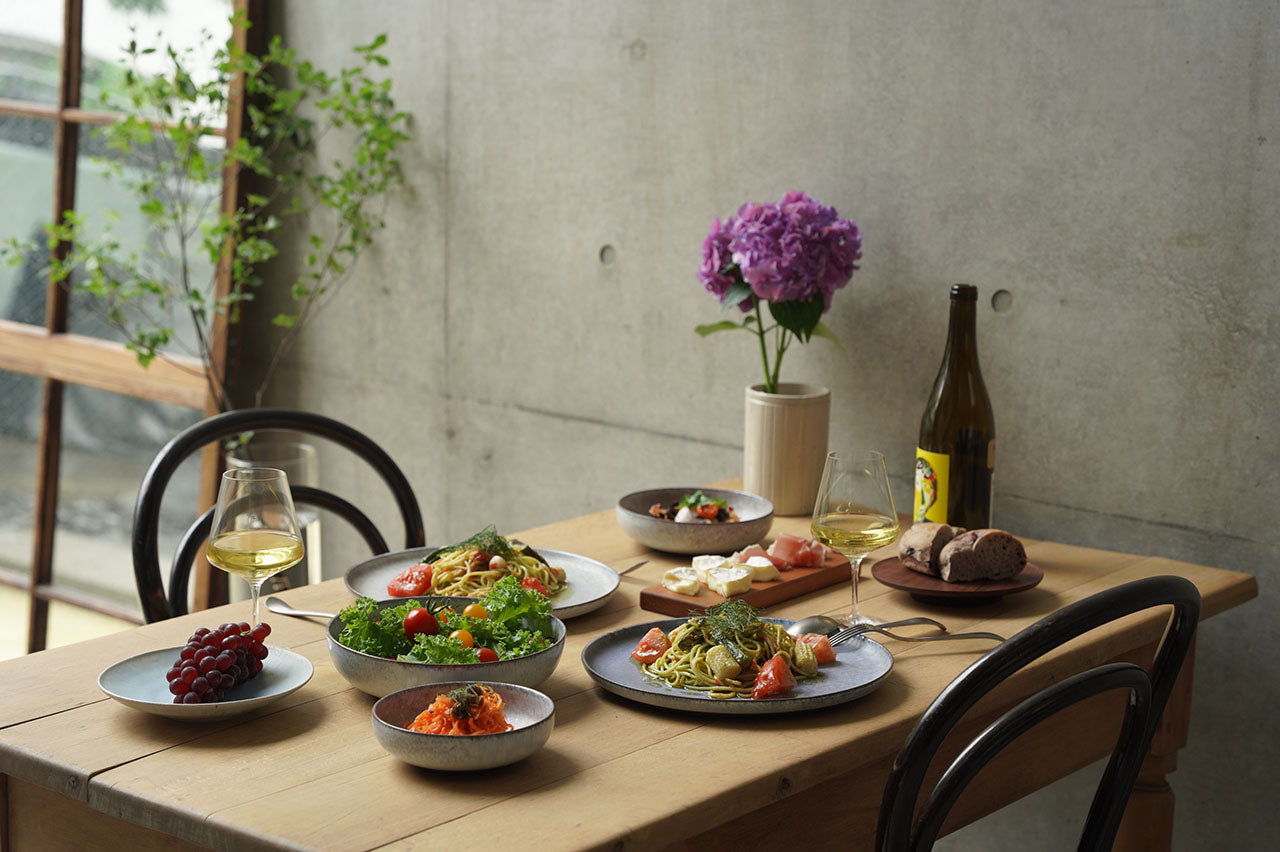
Pepper is perfect not only for meat and fish dishes but also for finishing salads and pasta, and classic carbonara, in particular, is so compatible that you'll want to repeat it again and again.
Pepper carries a natural essence, reminiscent of the warmth of earth or tree bark.
I feel myself becoming completely addicted to pepper, which acts like a "flavor switch," thanks to this experience.
As the mill glides comfortably in your hand, the aroma of spices wafts up with each grind of pepper, filling the dining table with excitement.
By placing it not only in the kitchen but also on the dining table, it serves as a wonderful interior accent that brings the warmth of wood.
Please do try holding a spice mill from "Mokkou Yamani" at least once; it shines with their love for pepper and their exquisite craftsmanship and sensibility.


 Mokkou Yamani