

Welcoming New Pieces and the Arrival of Autumn
The Arrival of Autumn and Welcoming a New Mizuya Tansu It feels as though summer was rather short this year. When the morning and evening breezes begin to carry the...


Couldn't load pickup availability
Gift wrapping is available for 390 yen (tax included) per item.
Please select "Would you like gift wrapping?" below the "Add to Cart" button on each product page.
If you have selected multiple items and would like each to be wrapped individually, please purchase the necessary number of gift wrappings.
If you would like items to be wrapped together, please specify this in the "Notes" section of your cart, and we will accommodate your request.
Normally, your selected items will be shipped within 1 to 2 business days (excluding weekends and holidays).
In some cases, such as during busy periods or when extra care is needed for inspection and packaging, it may take a little longer. However, all orders will be dispatched within a maximum of 7 business days.
Should there be a delay beyond the usual timeframe, we will contact you via email in advance.
We will also send a shipping confirmation email with a tracking number as soon as your items have been dispatched.
*Please note that each separate order is shipped as a separate package.
Due to our system, we are unable to consolidate multiple orders after they have been placed. We appreciate your understanding.
Please note: Date and time specification is available ONLY for shipping addresses within Japan.
For international orders, your items will be shipped as soon as they are ready, and we are unable to accept specific delivery date or time requests.
[For Domestic Shipping Within Japan]
For orders placed by 12:00 PM (JST) on business days, the order will be processed on the same day. You may select a delivery date starting from 3 days after your order date.
If you prefer the earliest possible delivery, please leave the date unspecified, and we will ship your items as soon as they are ready.
*Please note that time-specific delivery may not be available for certain remote islands or mountainous regions within Japan.
Additionally, for areas that require more days for delivery, we may not be able to meet your requested date. In such cases, we will contact you in advance.
*For large items such as furniture, scheduled delivery is not available as they require specialized shipping services. We appreciate your understanding.
*During peak seasons in Japan—such as the New Year holidays, Obon (mid-August), or seasonal gift-giving periods (Ochugen in July and Oseibo in December)—date and time specifications may be temporarily unavailable due to high courier volumes.
 CROCK
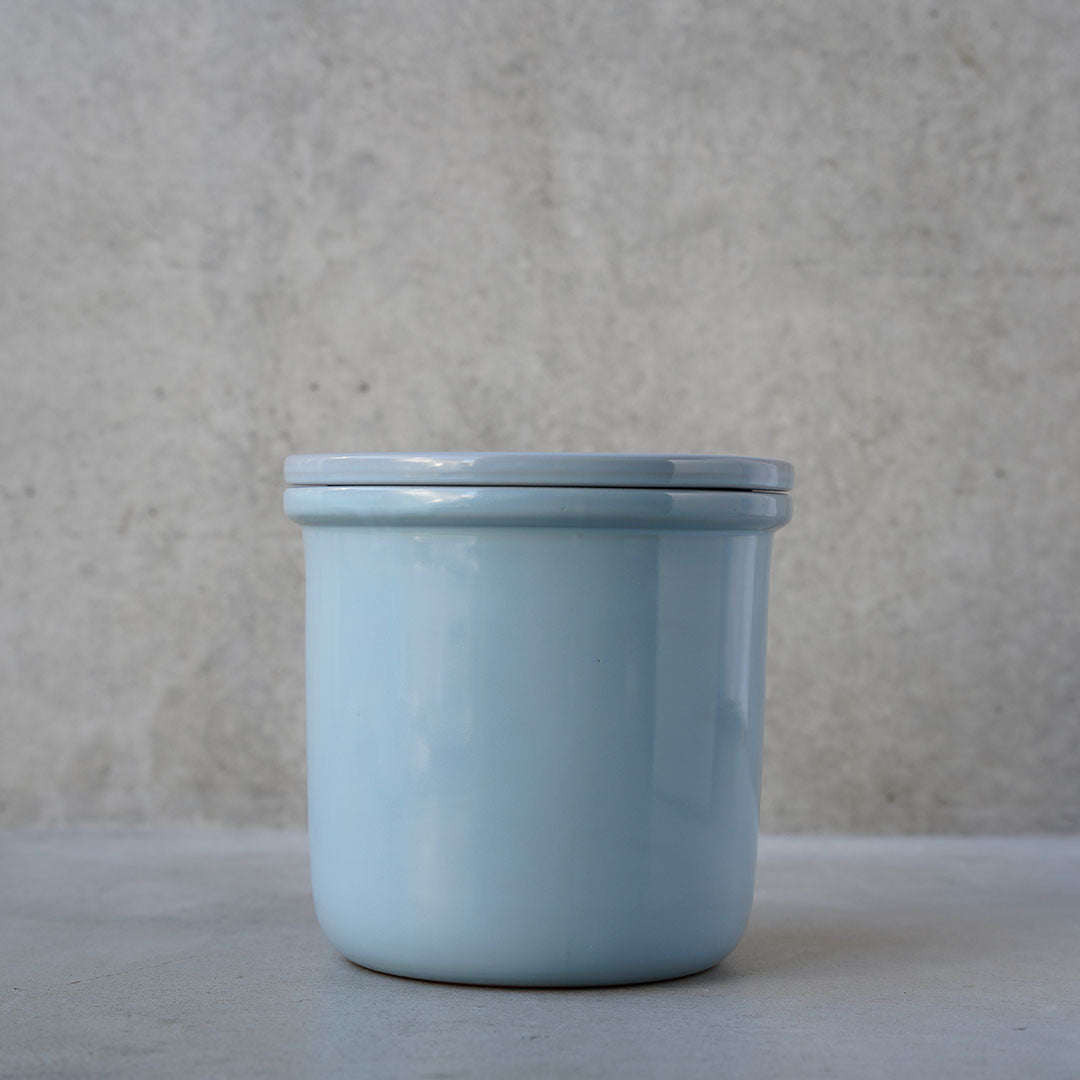
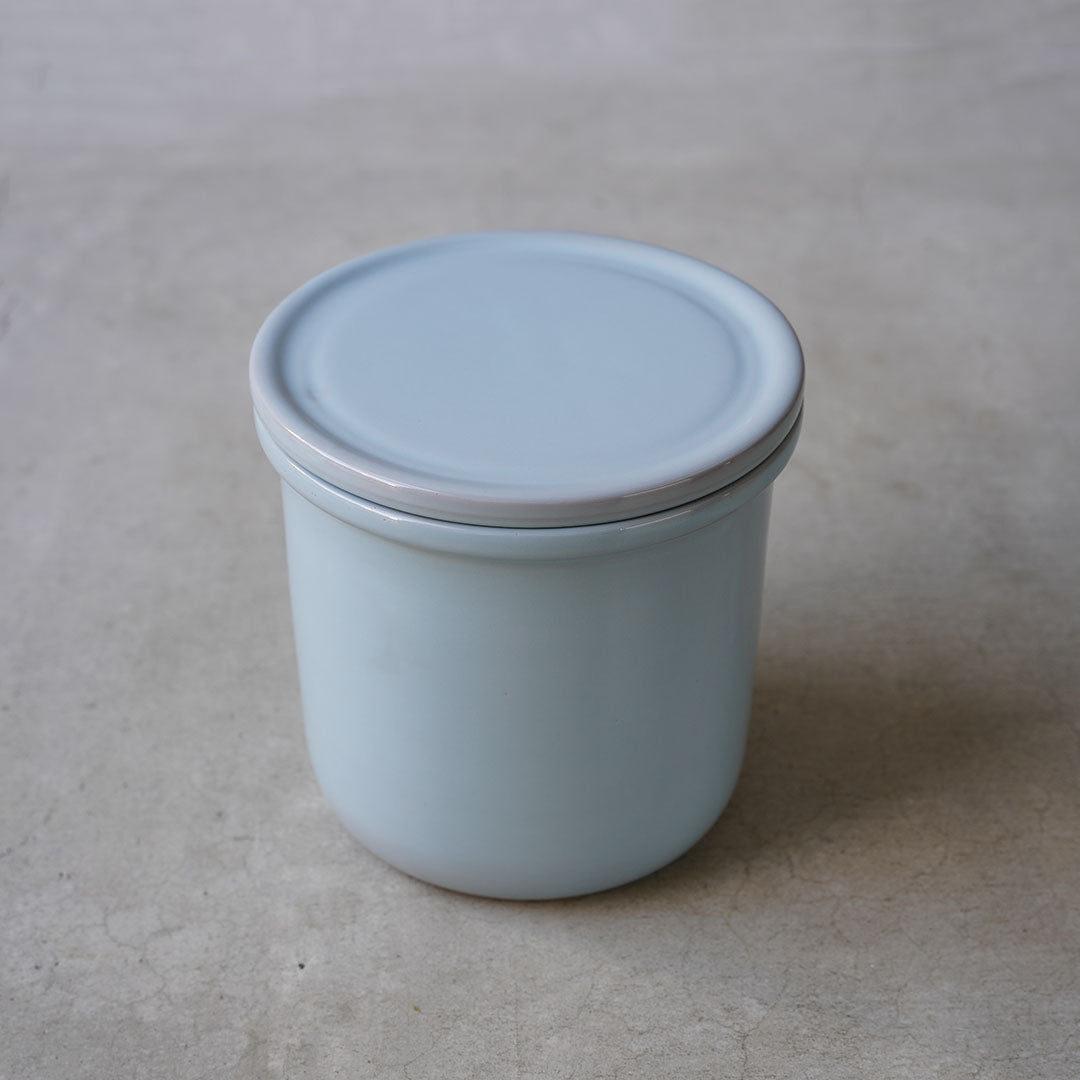
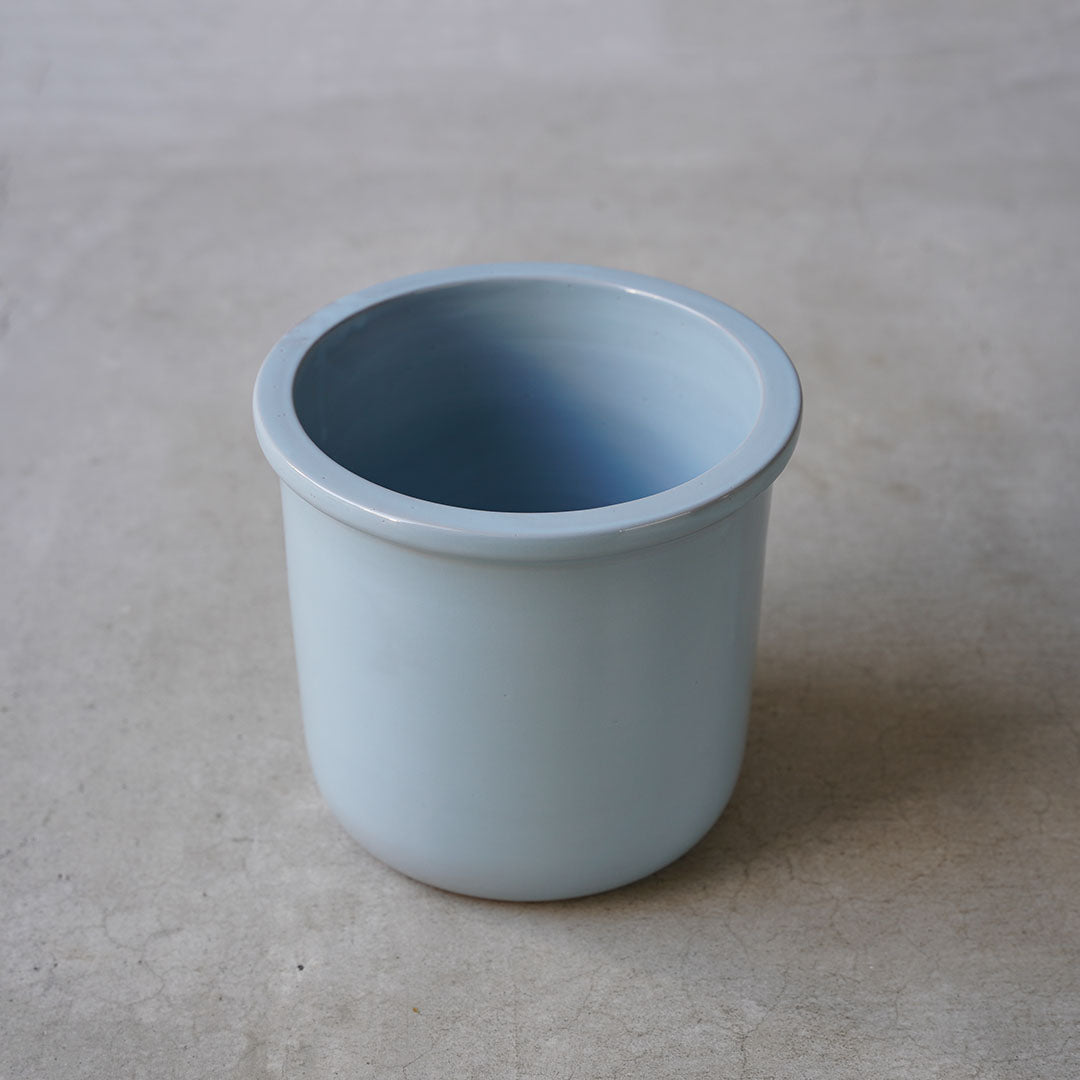
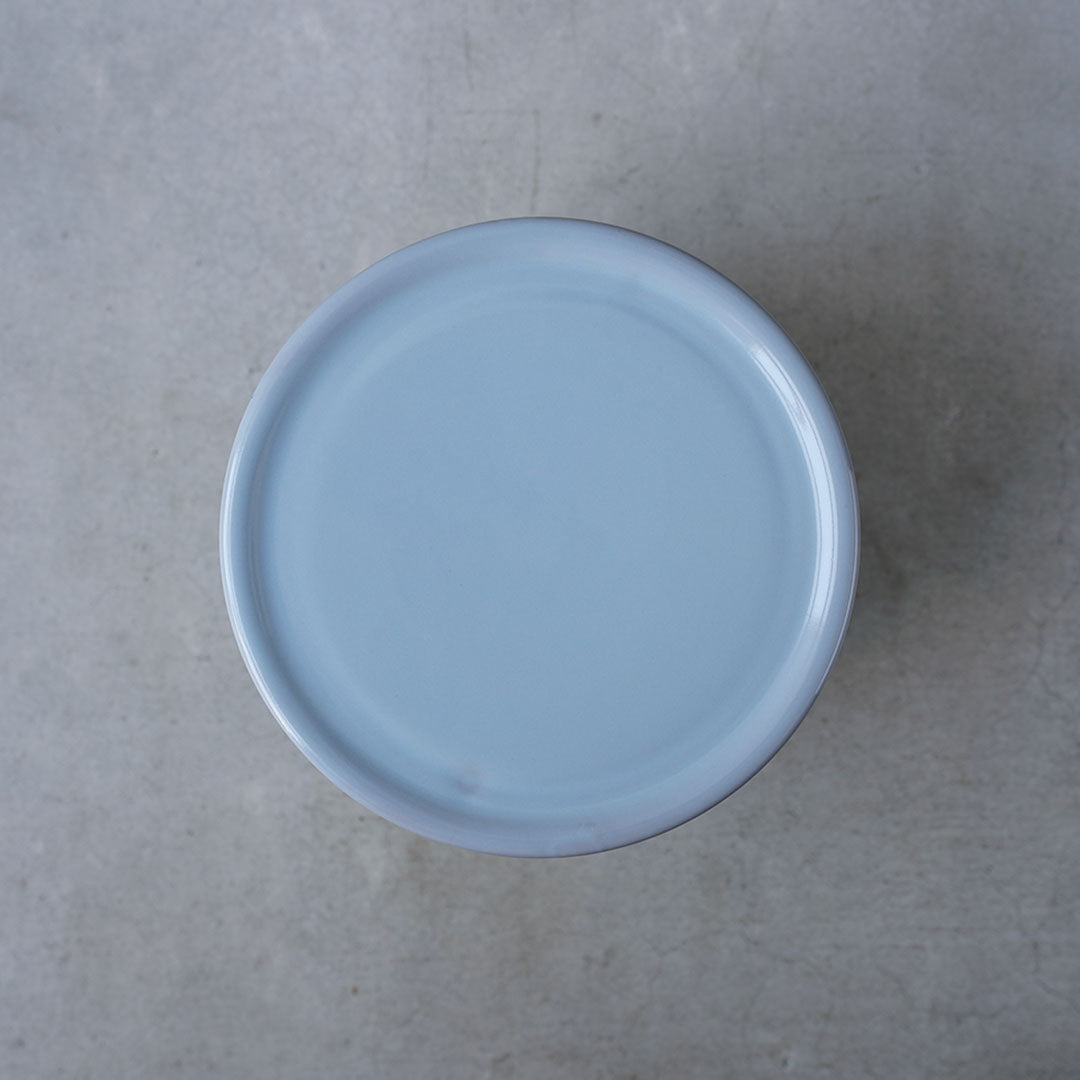
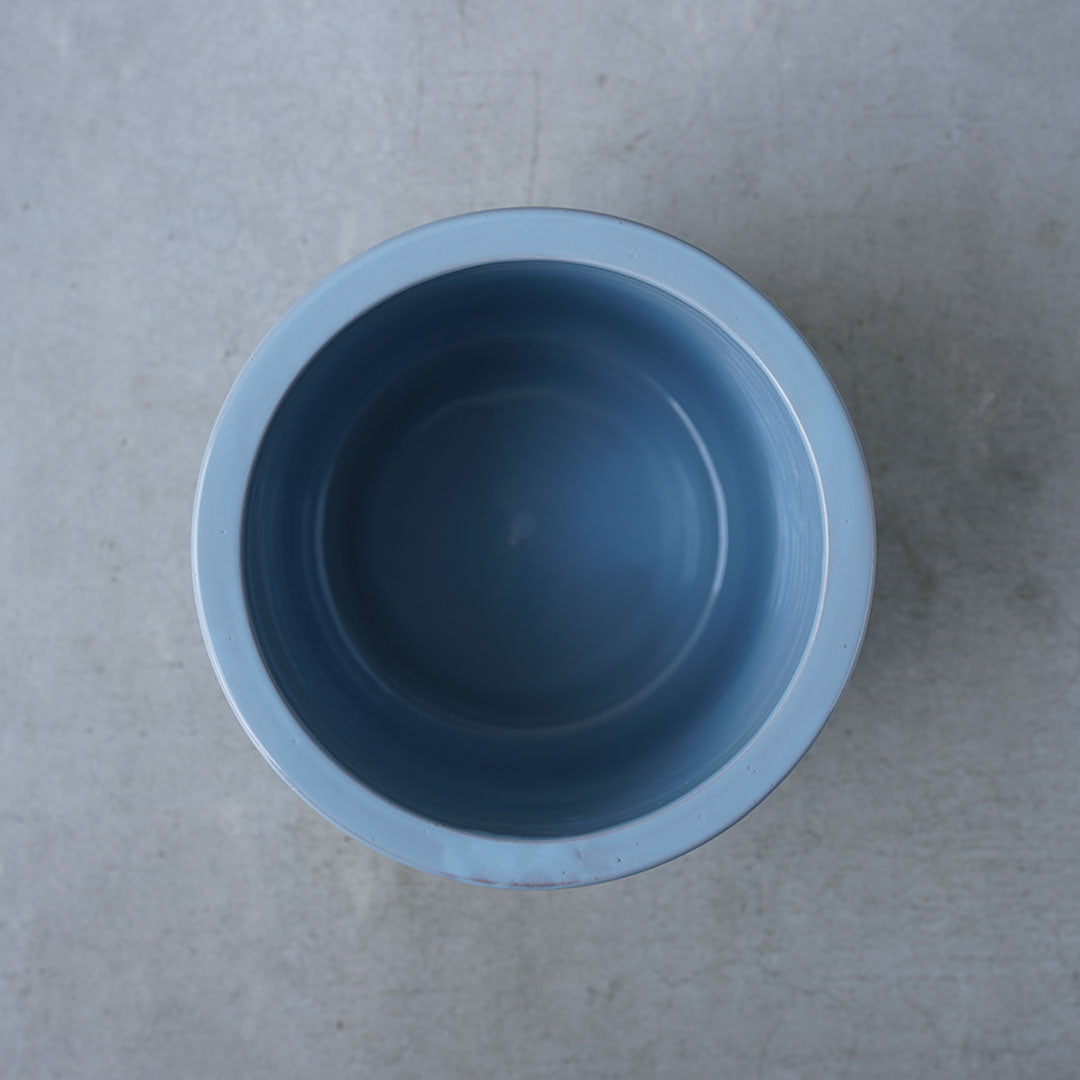
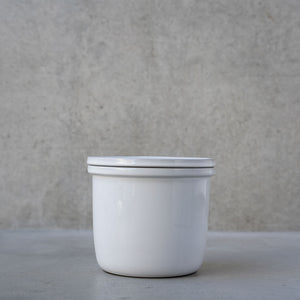
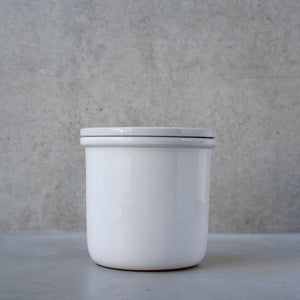
CROCKCROCKs are glazed lidded jars used for storing miso, pickled plums, nuka-zuke (fermented rice bran pickles), and more. These CROCKs are produced by Yamagen Touen, a Tokoname ware kiln in the Chita Peninsula of Aichi Prefecture, famous for producing teapots and heat-resistant tableware.
Historically, Tokoname jars were transported nationwide by sea routes as storage containers for sake, water, and grains.
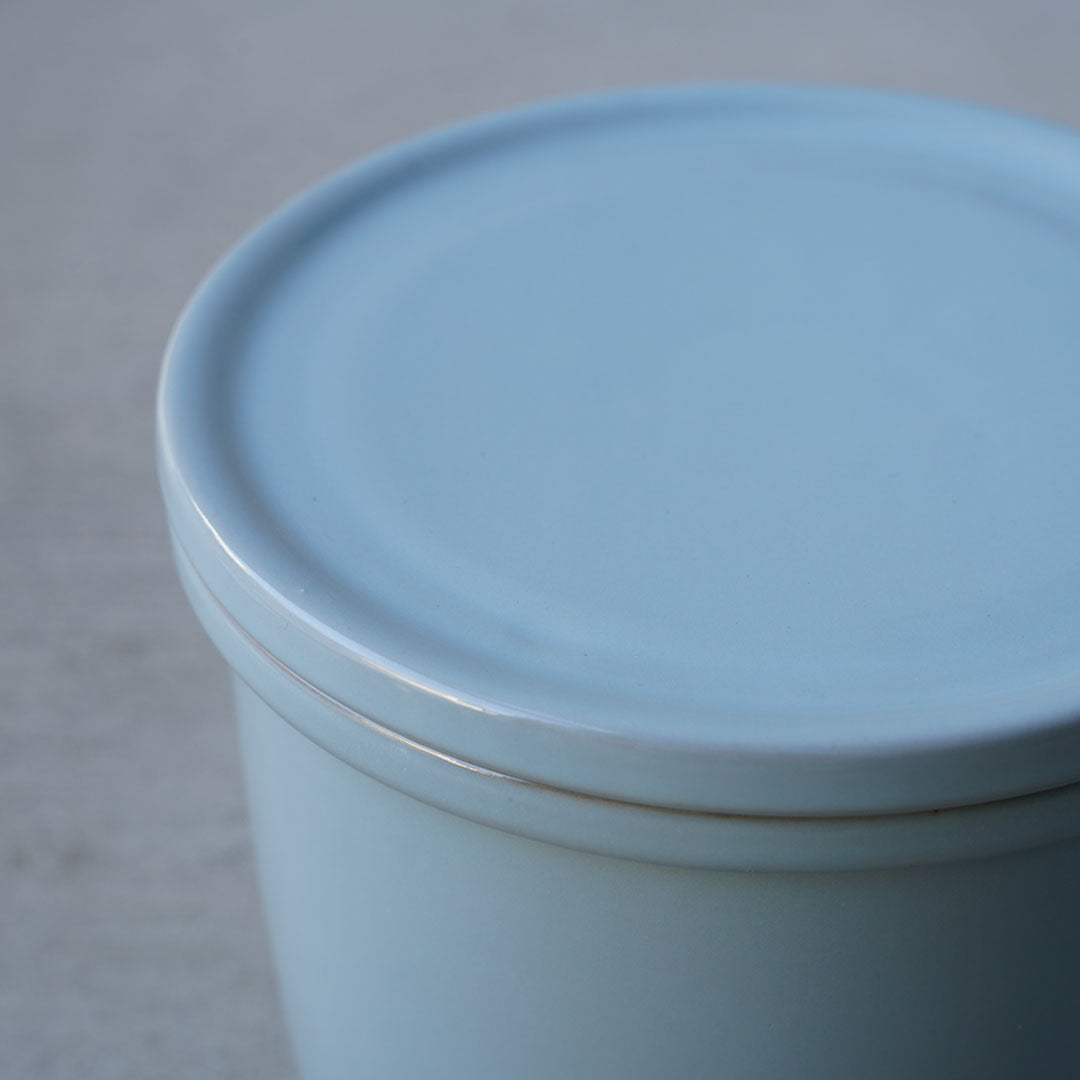
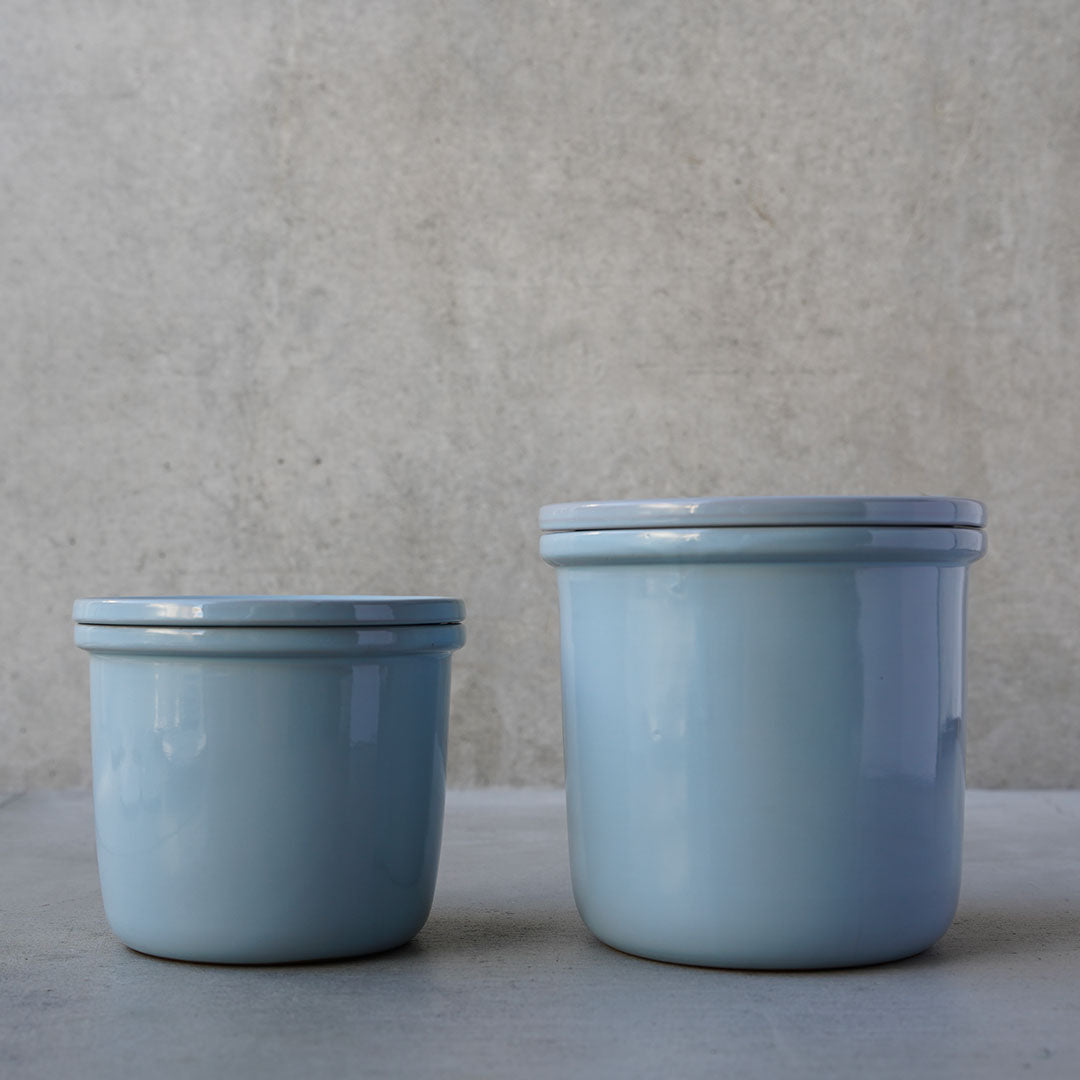
Bringing that proven safety and quality into modern life, CROCKs stand apart from the traditional image of jars. They are characterized by their modern, simple form and elegant, gentle white and blue colors.
The Tokoname red clay used for CROCKs is rich in clay minerals and iron, and when fired tightly, it becomes pottery with extremely low water absorption.
The thick body protects the contents from the effects of outside air and sudden temperature changes that lactic acid bacteria and yeast dislike. Furthermore, the glaze allows for sterilization both inside and out, protecting fermenting bacteria from mold and other microbes.
It is also said to be ideal for preparing and storing pickles, miso, pickled plums, and nuka-zuke, as there is no worry about color or odor transfer, it has a wide range of uses, and is resistant to acids and salts.
These stylish and innovative items are not too large to be placed in the kitchen and blend naturally into the interior. Objects can be placed on the lid, and CROCKs can even be stacked.
I thought this would be easy to incorporate into my life, so I decided to try using it at home.
The reason I discovered this product is, above all, my fascination with the power of fermentation.
 The Power of Fermentation
Fermented foods are easily absorbed by the body, improve gut health, boost immunity, and their antioxidants prevent cell oxidation. Additionally, amino acids and enzymes produced during fermentation promote the creation of new cells, leading to expectations of improved skin.
Furthermore, they help boost metabolism, prevent lifestyle diseases, and are effective in relieving fatigue and stress – truly beneficial for the body.
Hearing "preservation, umami, and health," I realized this was perfect for my busy life.
While Japanese food culture, including sake, miso, pickles, and dashi, is highly respected, these days, with many delicious restaurants available, dining out has increased, and on busy days, people might buy pre-made meals and rush through dinner.
I feel that opportunities to cook Japanese food for myself at home have decreased.
Despite the fact that many of Japan's specialty products embody the power of fermentation as part of their culture,
it would be a waste not to explore their appeal more carefully.
Feeling this disconnect, and having started to become conscious of gut health through fermented foods and wanting to boost my immunity and stay healthy, this was exactly what I needed.
 Making Miso with CROCK
First, I'll try making "miso," which is said to be relatively easy.
Even on cold mornings when I don't want to get up, I want to start my day with miso soup and seasonal vegetables, so this is my first step in taking care of myself.
Initially, there's no need for hot water sterilization; just wipe with a kitchen paper soaked in food-grade alcohol disinfectant.
1. The night before, wash the soybeans with water and soak them overnight in plenty of water until they swell.
2. Put the soaked soybeans in fresh water and boil them until they are soft enough to be easily crushed between your fingers.
3. Mix the rice koji and salt well to make salt koji.
4. Drain the boiled soybeans in a colander, let them cool slightly, then mash them with a food processor.
(Mash coarsely for a grainy miso, or smoothly for a creamy miso.)
5. Mix the soybeans and salt koji, knead well, and form into balls.
6. Press and pack the mixture into the CROCK, ensuring there are no gaps.
7. Sprinkle a thin layer of salt on top.
At this point, covering with sake lees is said to be effective in preventing mold.
If the salt concentration is too low, mold is more likely to grow, so care should be taken.
Once this is done, close the lid of the container and store it in a cool place, such as a kitchen or entryway, away from direct sunlight.
While making miso, the power of koji makes your hands smooth and silky, making you hesitate to wash them.
Enjoying the changes in aroma and appearance as the miso ferments is also a great pleasure of miso making.
Miso preparation is called "winter brewing," and it is said to be best to start around December to February when bacteria are less likely to multiply.
On this occasion, why not try making miso at home?
 Making Nuka-Zuke with CROCK
Since I had the chance, I also tried making "nuka-zuke," another traditional Japanese superfood.
Nuka-zuke allows you to experience seasonal flavors by using seasonal vegetables and brings out the best in the ingredients. Besides being conscious of health and beauty, there's also the charm of enjoying the changes as you nurture them together.

Wash the prepared nuka-bed and vegetables and place them in the CROCK.
This time, I decided to try with turnips, carrots, and cucumbers.

Larger vegetables reportedly pickle faster if cut in half or quarters.
Don't forget the turnip greens, as they are also highly nutritious.

Longer pickling times lead to more fermentation and a richer flavor, so adjust the pickling time according to the type of vegetable and your preference.
I try to mix the nuka-bed daily to ensure the vegetables are pickled evenly.
While CROCKs can be used in the refrigerator, it's recommended to store the contents at an appropriate temperature.
Also, when reusing, do not use a dishwasher; simply wash with water and dry in the sun.
Since it can be used repeatedly, it's been helpful for various purposes, such as storing pickled plums or as a rice bin.
The size is neither too big nor too small, and they can be stacked, making you want to design a corner of your kitchen with these aesthetically functional CROCKs.
>TOKONAME CROCK
2.3L (White / Blue)
3.8L (White / Blue)

The Arrival of Autumn and Welcoming a New Mizuya Tansu It feels as though summer was rather short this year. When the morning and evening breezes begin to carry the...

一年ぶりの再会を漆のお椀でおもてなし 先日、わが家に嬉しいお客さまがいらっしゃいました。福井県・鯖江から足を運んでくださったのは、土直漆器の土田さん。お会いするのは、およそ一年ぶりです。作り手の方と直接お話しできる時間は、私にとって楽しみのひとつ。久しぶりにお会いした土田さんは相変わらず穏やかで、顔を合わせた瞬間から自然と会話が弾みました。 せっかく遠くから来てくださったので、ささやかなおもてなしを。以前、土直漆器さんに作っていただいた「雑煮椀」に、抹茶ゼリーや白玉、あんこを盛り付けてお出ししました。普段はお雑煮や汁ものを盛ることの多いお椀ですが、この日は少し趣を変えて、甘いものを。 漆器って、もっと自由でいい 漆のお椀に甘味を盛っても大丈夫かな、と出す直前まで少し気になっていたのですが、テーブルに並べると、土田さんはとても喜んでくださって。 「福井には、漆器にパフェを盛って出しているカフェもあるんですよ。だから、こういう使い方も全然OKです!」 そう言って笑顔で召し上がる姿に、私もすっかり安心しました。 漆器というと、どうしても「特別な日に使うもの」と少し構えてしまうところがあります。でも、こんなふうに甘いものを盛ってみたり、普段の食卓に取り入れてみたり。作り手の方から「もっと自由に使っていい」と聞くと、漆器との距離が少し近くなったような気がします。 そんな話をしながら、和やかにお茶の時間を過ごしていると、いつの間にか話題は「漆」のことへ。「最近、自分で金継ぎに挑戦してみたんですよ」と、先日のコラムで紹介した「辻田の金継ぎ」の話をしたときのことでした。 「あ、辻田さん!知り合いですよ」 思いがけないひと言に、びっくり。聞けば、辻田さんと土田さんは、同じ福井で漆に携わる作り手同士。以前からつながりがあったそうです。心惹かれたものの背景に、こんなふうに作り手同士のつながりがあると知ると、なんだか嬉しくなります。ひとつのうつわをきっかけに、また新しいご縁を知ることができたような気がしました。 はじめて出会った若狭塗 そんな話に花を咲かせていると、土田さんが大事そうに包みを開いて、ひとつのお椀を見せてくれました。 それが、若狭塗の「合鹿椀(ごうろくわん)」です。 包みを開いた瞬間、まず目に入ったのは、深い漆の艶と、外側に浮かぶ細かな模様。見る角度によって光の表情が変わり、ひと目見た瞬間に心を奪われました。 若狭塗は、卵の殻や青貝、松葉などを使って模様をつくり、その上から漆を幾重にも塗り重ね、最後に表面を研いで模様を浮かび上がらせる技法。なかでも、最後の「研ぎ出し」が若狭塗の大切な工程なのだそうです。 どこを、どのくらい研ぐのか。塗り重ねられた漆の下にある模様を見極めながら、少しずつ表情を引き出していく。その工程には、職人の経験と技術が詰まっています。 この見事な若狭塗を手がけたのは、福井県小浜市で100年以上続く「加福漆器店」の4代目、加福宗徳さん。小浜市に3人しかいない若狭塗伝統工芸士のお一人です。 ふたつの工房がつないだ一椀 さらに心を惹きつけられたのは、このお椀がふたつの工房の手仕事のリレーから生まれているということでした。 木地づくりから内側と底の漆塗りまでを手がける土直漆器さんと、外側の若狭塗を手がける加福漆器店さん。 内側には、欅(けやき)の木地に漆を塗り重ねる「木地呂塗(きじろぬり)」が施され、漆の艶の奥から美しい木目が浮かび上がります。外側の青貝や松葉が散りばめられた華やかな若狭塗とはまた違う、木そのものの温もりを感じる趣です。 それぞれの工房で受け継がれてきた技術が、ひとつのお椀のなかで見事に重なり合う。内と外で異なる表情を持つからこそ、手に取るたびにじっくりと眺めたくなる。なんとも贅沢な手仕事を見せていただいた気持ちになりました。 最後のひとつをわが家へ このお椀が完成するまでには、なんと2年もの歳月がかかったそうです。そして、つくられたのはわずか10個。 そんな貴重なお椀ですが、今回、土田さんの手元に残っていた最後のひとつを、特別にお譲りいただけることになりました。 土田さんとの久しぶりの再会から、思いがけず若狭塗のお椀に出会い、最後のひとつをわが家に迎えることになるとは。いくつものご縁が重なって手元に迎えることができたことを嬉しく思います。 これほど美しいお椀を、すぐに料理に使うのは少しもったいない気もして。しばらくは、光の加減で変わる青貝のきらめきや、漆の艶、内側に広がる欅の木目を、じっくり眺めていたい。...

Carving a New Concept of Time with Cherished Vessels Even our most treasured vessels can break in a fleeting moment. I, too, once accidentally dropped and broke a favorite piece....
Delivery preferences
Delivery scheduling is available for domestic shipping within Japan only.Details here


