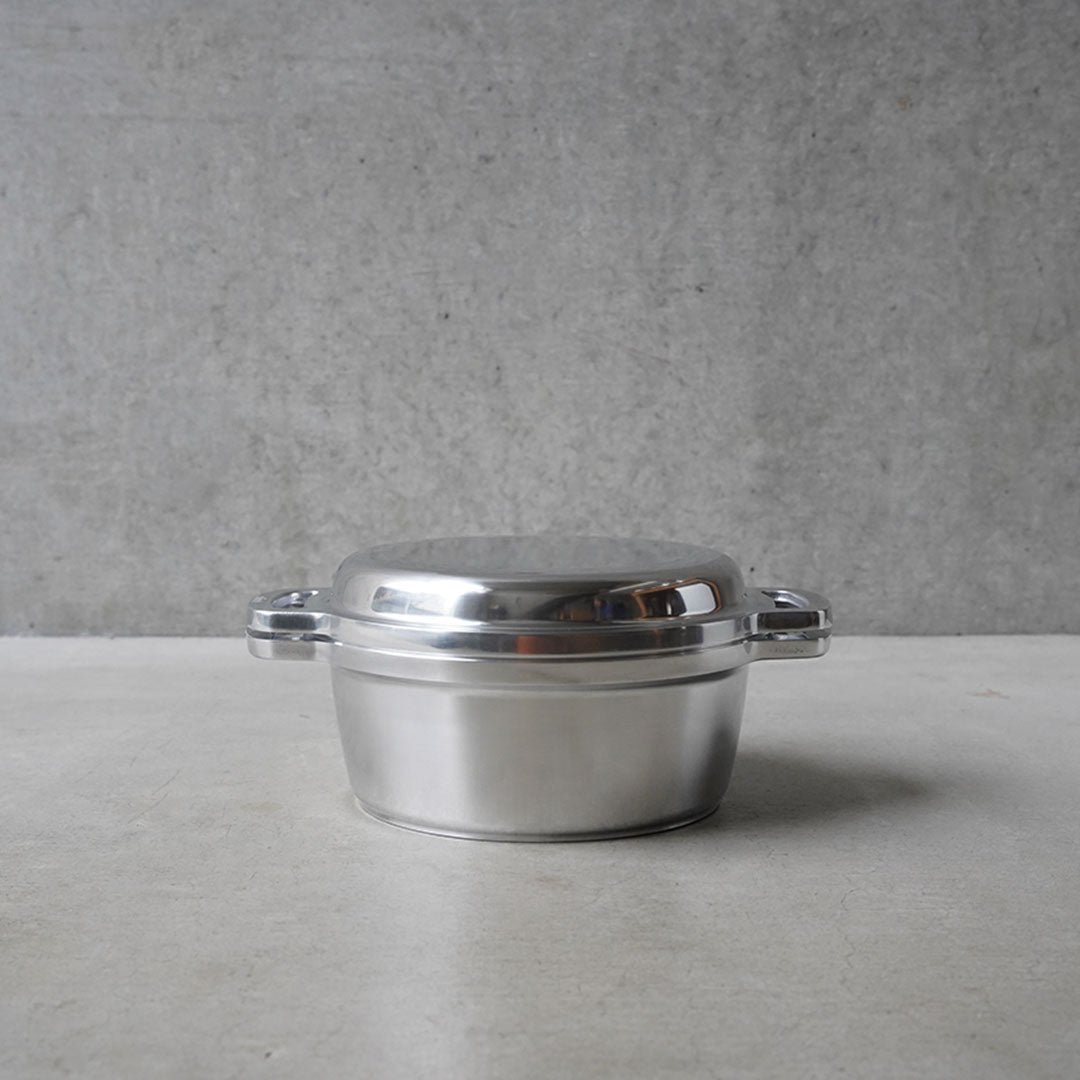
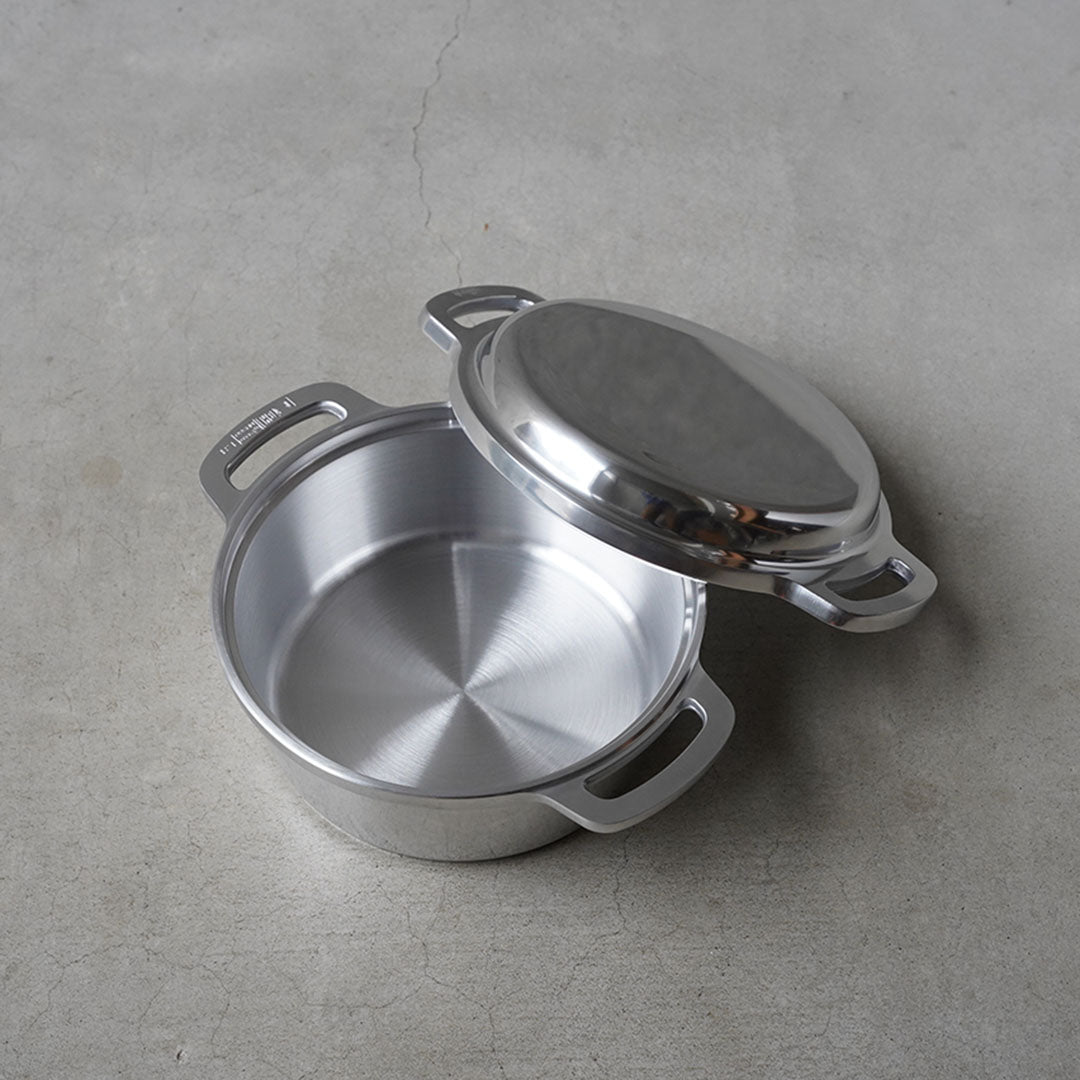
A versatile waterless pot that performs 8 functions
This waterless pot, manufactured by Hiroshima Aluminum Industry Co., Ltd., was developed in 1953 for cooking rice and has been reissued to be compatible with induction cooktops to suit modern lifestyles.
It comes in three sizes: 18cm, 20cm, and 24cm inner diameter.
I use the 20cm one, which can cook up to 4 cups of rice and is a sufficient size for two people.
It was created with the desire to "cook delicious rice like in a traditional rice pot, even on gas or induction cooktops," and "to enjoy dishes with the rich flavor of ingredients brought out through waterless cooking, and to live a healthy life."
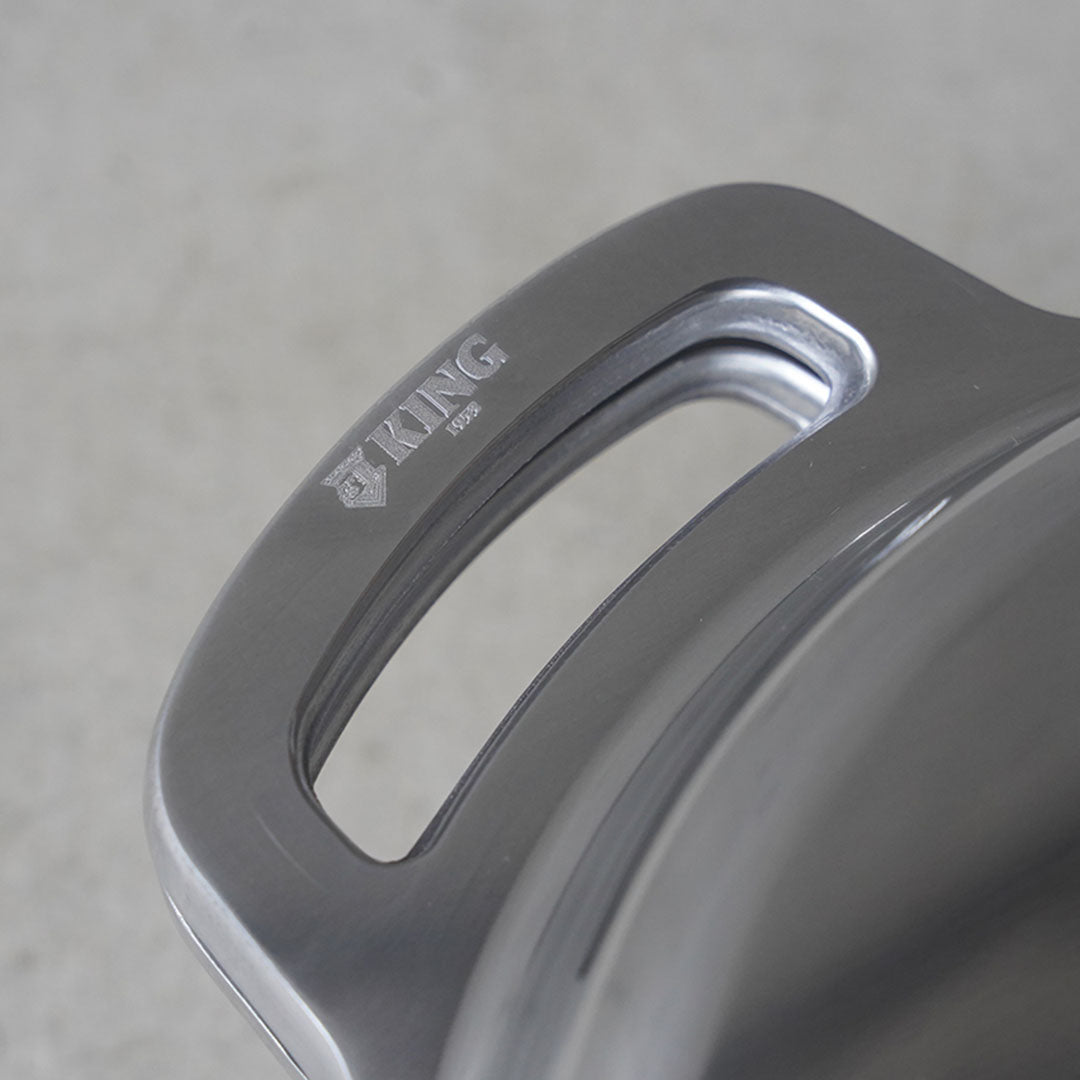
The meticulous craftsmanship of the artisans at Hiroshima Aluminum Industry, which boasts reliable technical capabilities in manufacturing parts for famous automobile manufacturers in Japan and around the world, is truly felt when closing the lid.
Moreover, this single pot is an excellent tool that performs eight functions: "cooking, steaming, simmering, boiling, baking, stir-frying, deep-frying, and oven-cooking."
Its lightweight, durable, and simple design is also appealing, and getting a new tool always lifts my spirits.
Furthermore, the waterless pot is made of aluminum, which conducts heat quickly, and its thick cast iron construction provides excellent heat retention, allowing for cooking using residual heat.
By effectively utilizing residual heat, it also helps save gas and electricity, and it is expected to be very useful in the future.
KING Waterless Pot 18 / KING Waterless Pot 20 / KING Waterless Pot 24
 First use
First, wash thoroughly with a sponge and neutral detergent, paying particular attention to the grooves on the inside with a firmer sponge.
Then, to prevent discoloration, fill both the pot and lid with rice water and boil for about 10 minutes.

Simmering Nikujaga (meat and potato stew) like steaming, to condense the flavor
First, preheat the pot over medium-low heat for about 2 minutes to prevent food from sticking.
When you sprinkle water on the pot and it forms beads that roll around, it's the right temperature to add ingredients.
I referenced the Nikujaga recipe published on the "HAL Musui" website, which updates new recipes monthly.
I was surprised by how easy it was—just add the ingredients and leave it—and most of all, how quickly it cooked to a tender texture with the flavors thoroughly absorbed.
The circulating steam inside the pot gently cooks the ingredients, allowing you to fully enjoy their natural flavors without losing the water-soluble umami, which is a unique charm of a waterless pot.
 Tako-meshi (octopus rice) cooked in a waterless pot with roots in traditional rice pots
Cooked rice dishes are also easy in a waterless pot.
Simply turn on medium-high heat until the lid rattles, signaling it's boiling, then immediately reduce to low heat. It's an easy dish to try.
The perfectly fitting structure of the pot and lid creates natural pressure even over low heat, ensuring even cooking and maintaining a high temperature without losing heat.
As expected from a pot developed for cooking rice, your usual rice becomes even fluffier and chewier.
When you open the lid, the rice grains stand up beautifully, stimulating your appetite.

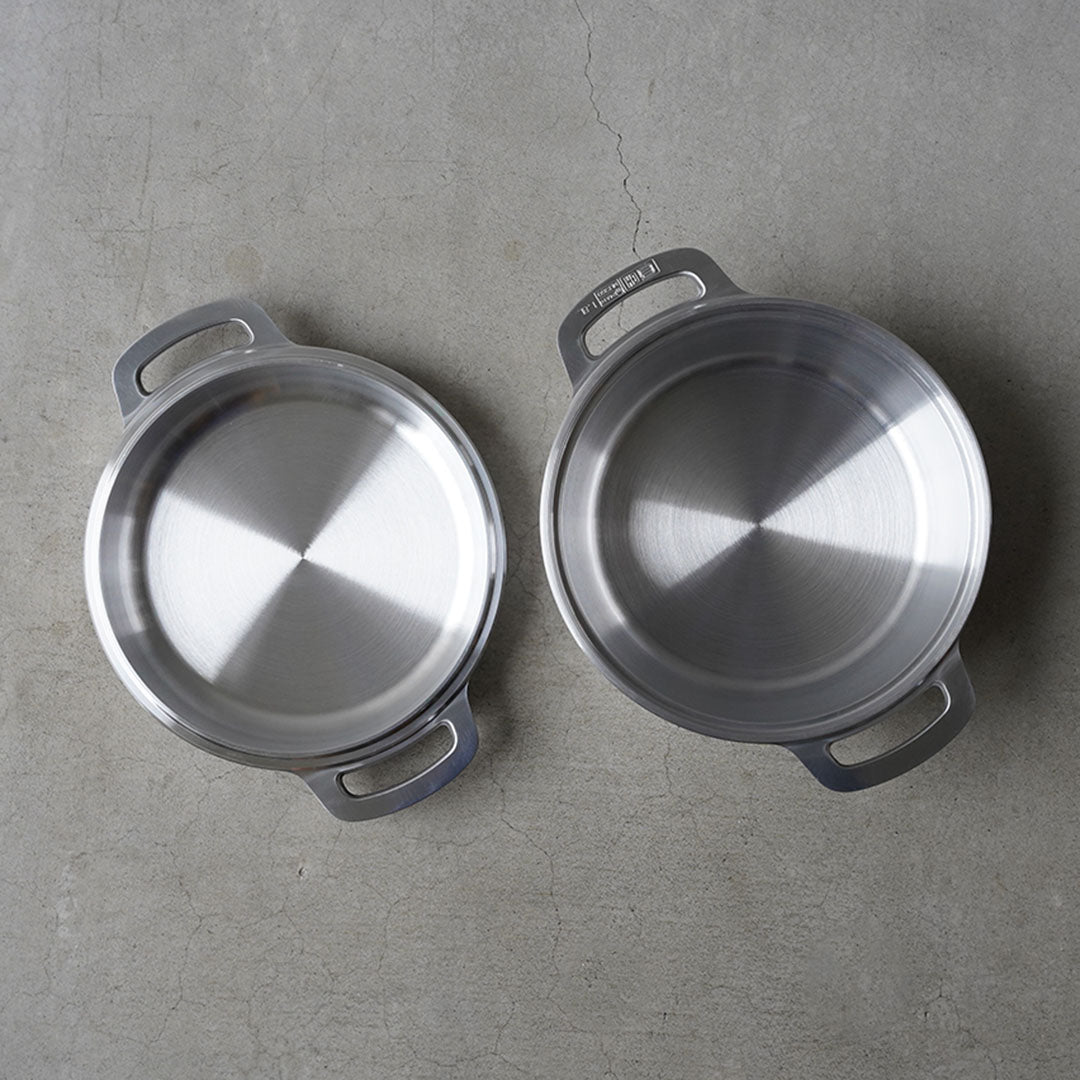
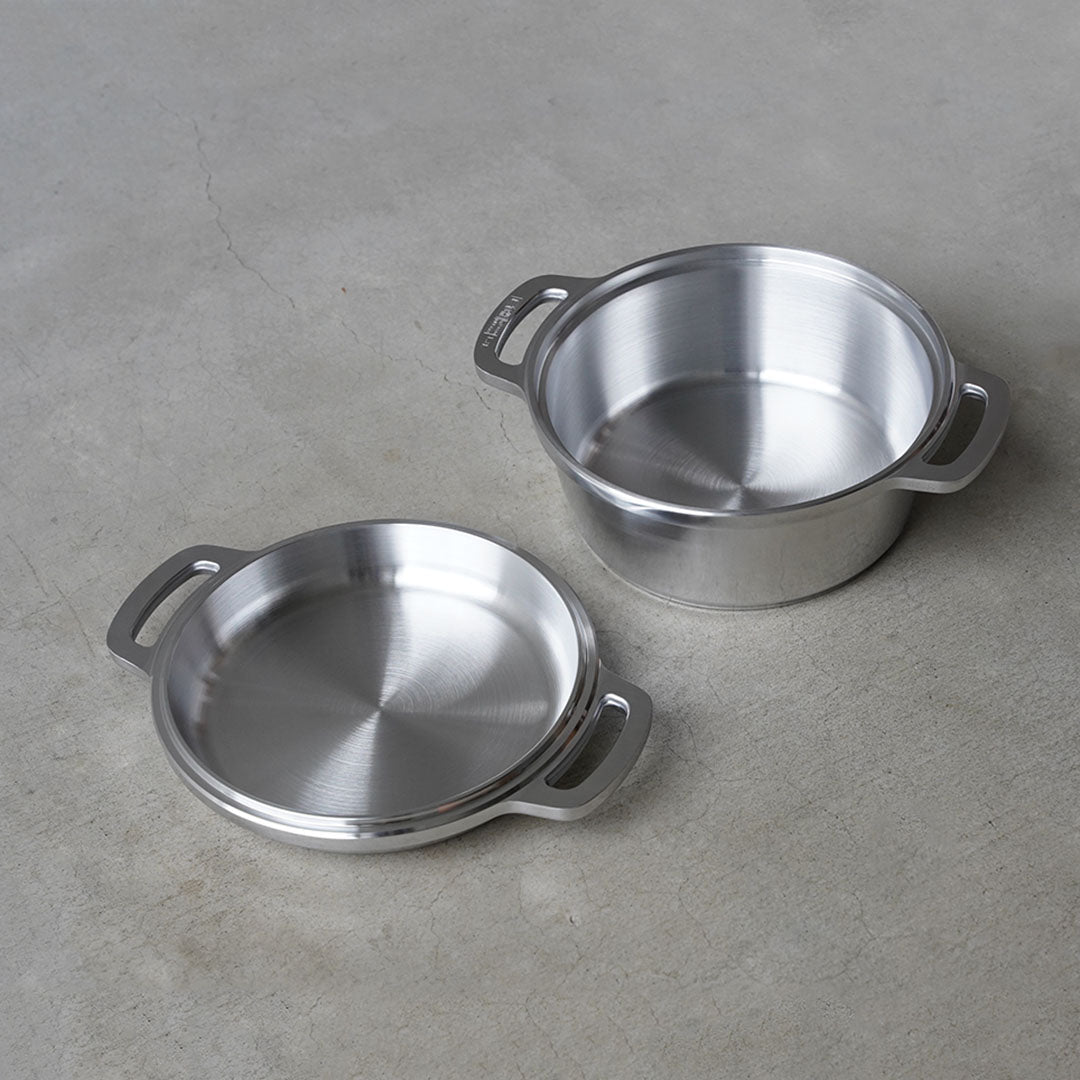
The lid of the waterless pot can also be used as a frying pan
The lid of the waterless pot can also be used as a frying pan.
This time, I tried using the pot itself as a lid, and the vegetables were appropriately steamed without burning, resulting in a perfectly grilled, soft, and juicy finish.
This single pot handles various cooking tasks, and its minimalist design, combined with easy post-use cleaning, was a great help.

Simplicity is the ultimate luxury
It allows for speedy cooking on busy days, so it could be useful on hectic mornings.
I used to think that the more effort you put into cooking, the tastier it would be, but simply by being inventive with the tools you use, you can dramatically change the outcome of your dishes.