Kanedai Touki × AmenoiE
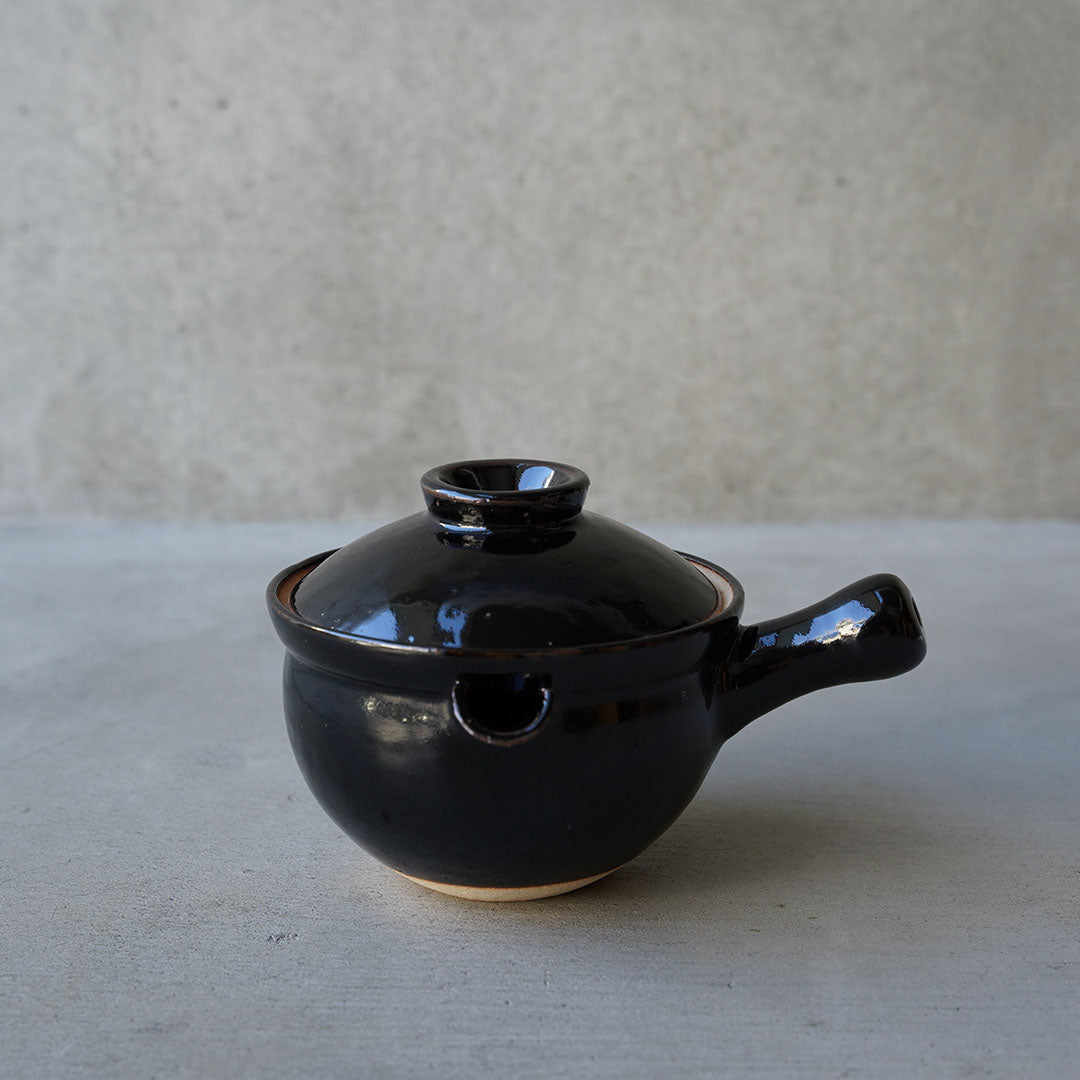
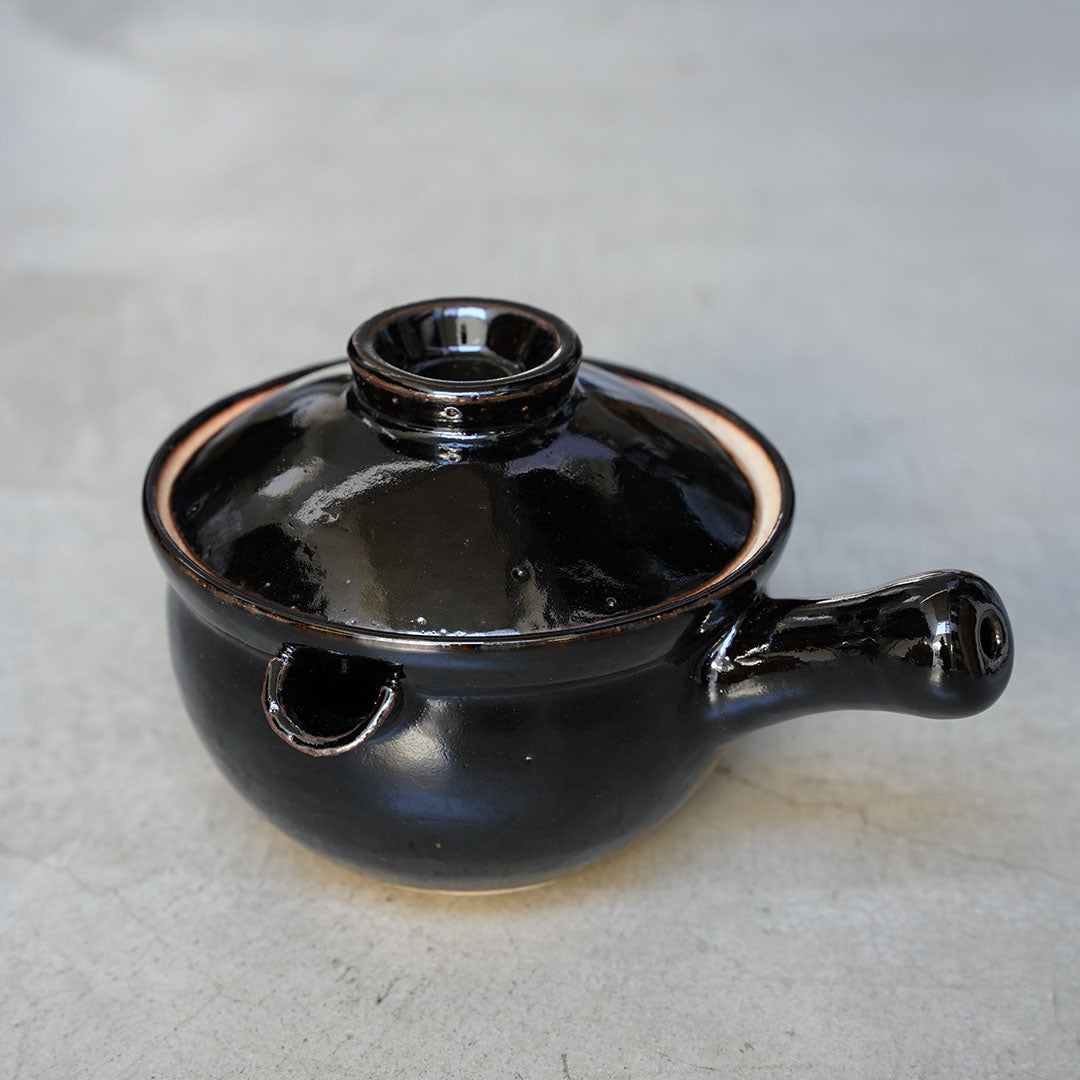
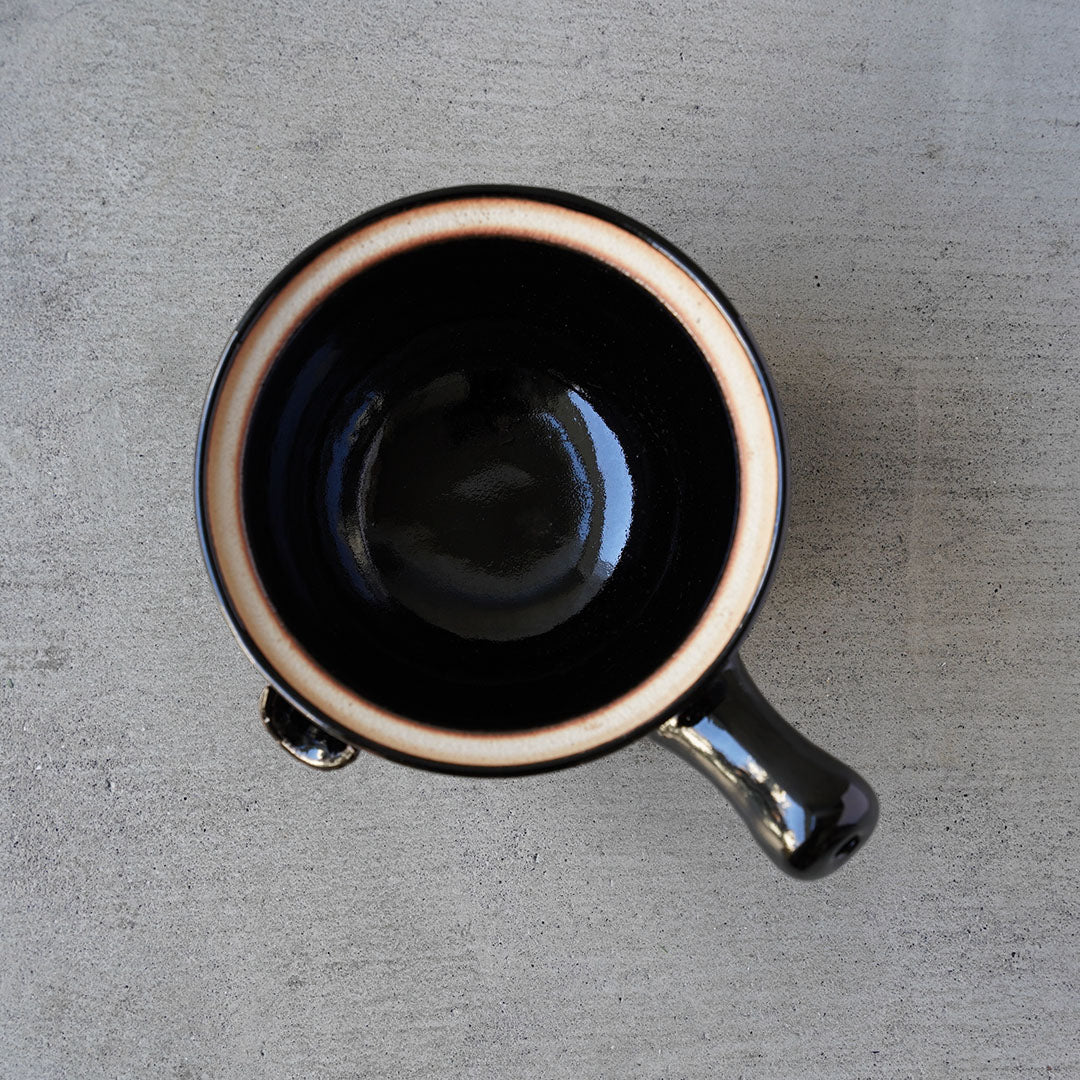
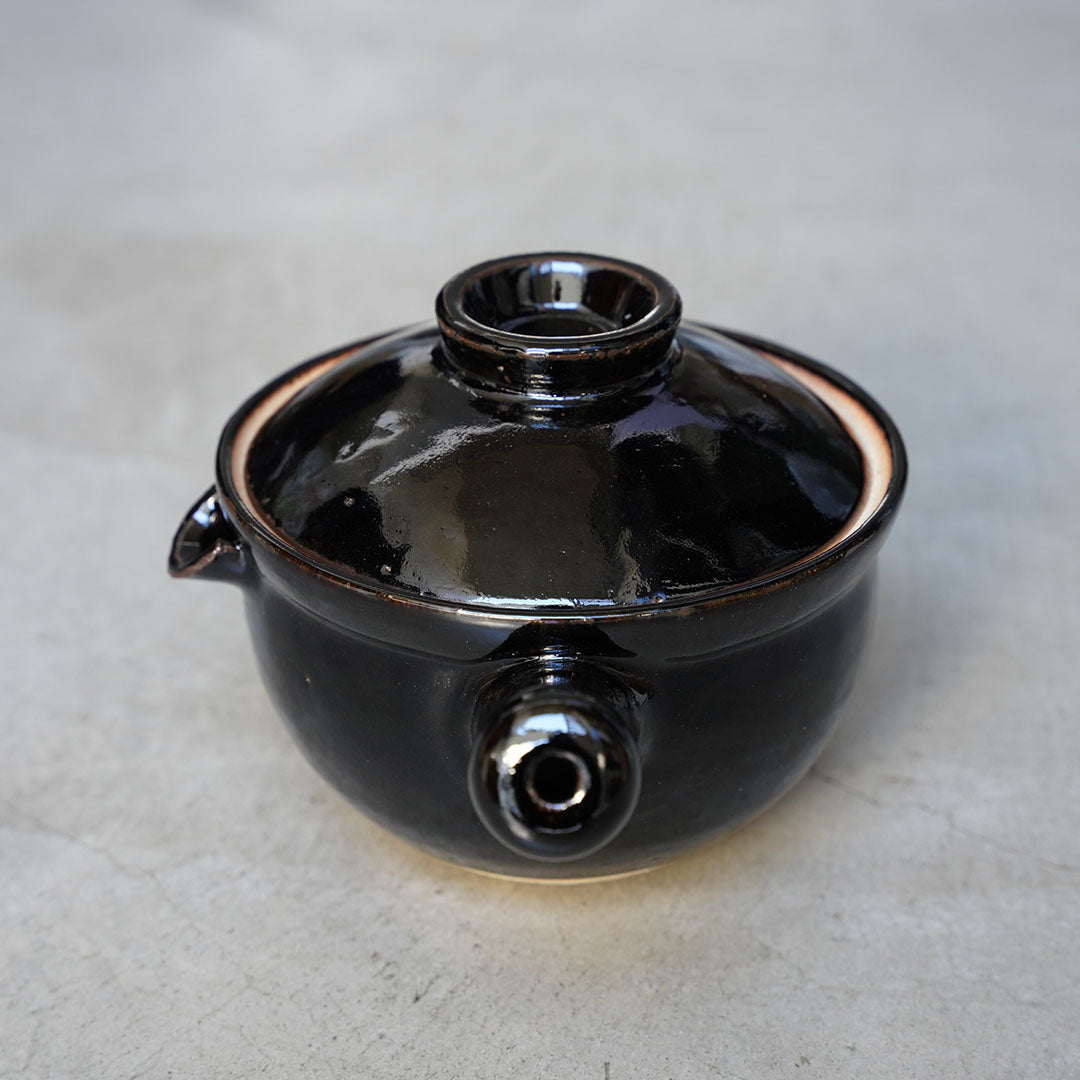
This yukihira pot is from Kanedai Touki, a pottery studio established in 1872 in Marubashira, Iga City, Mie Prefecture, a production area for Iga-yaki pottery. It has a 150-year history.
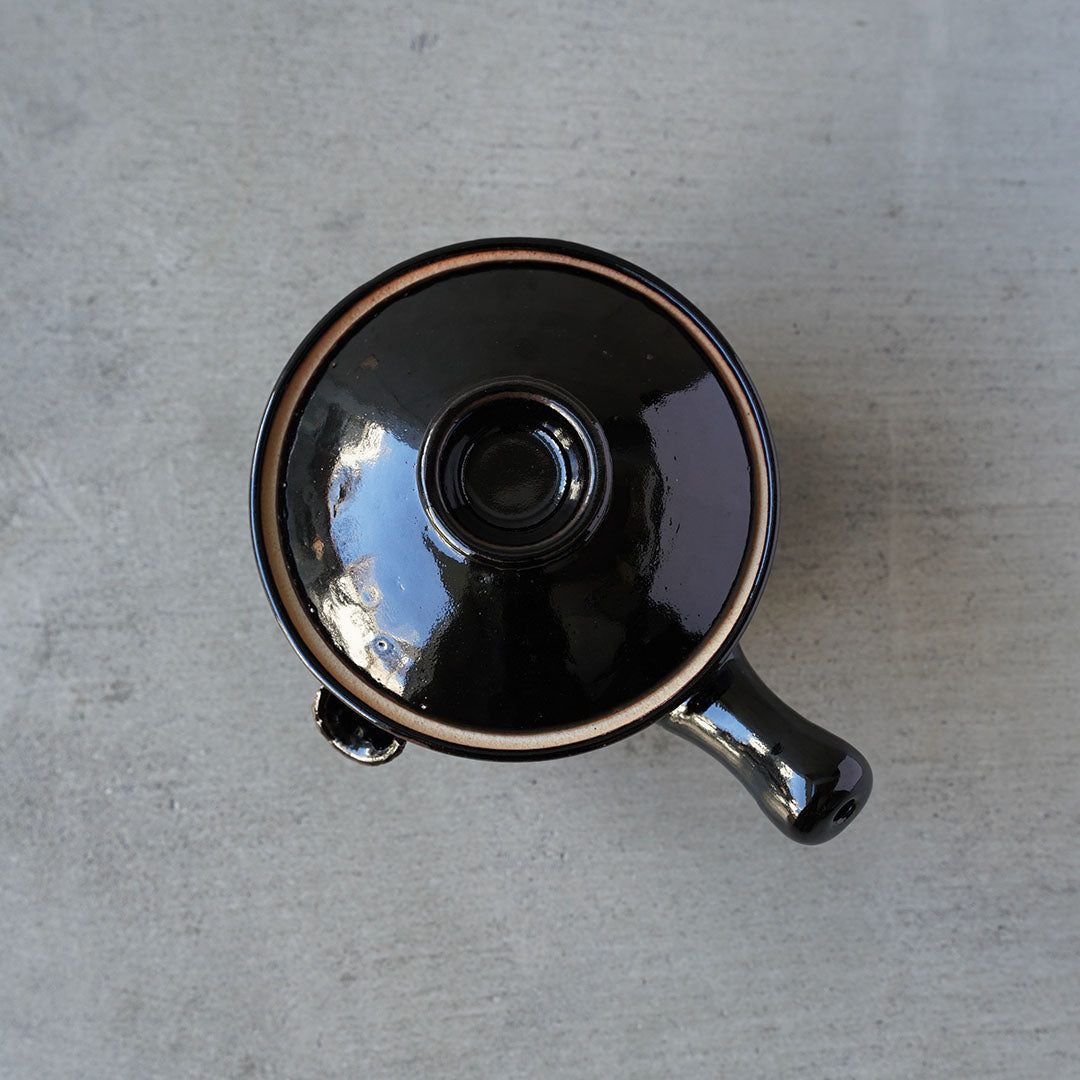
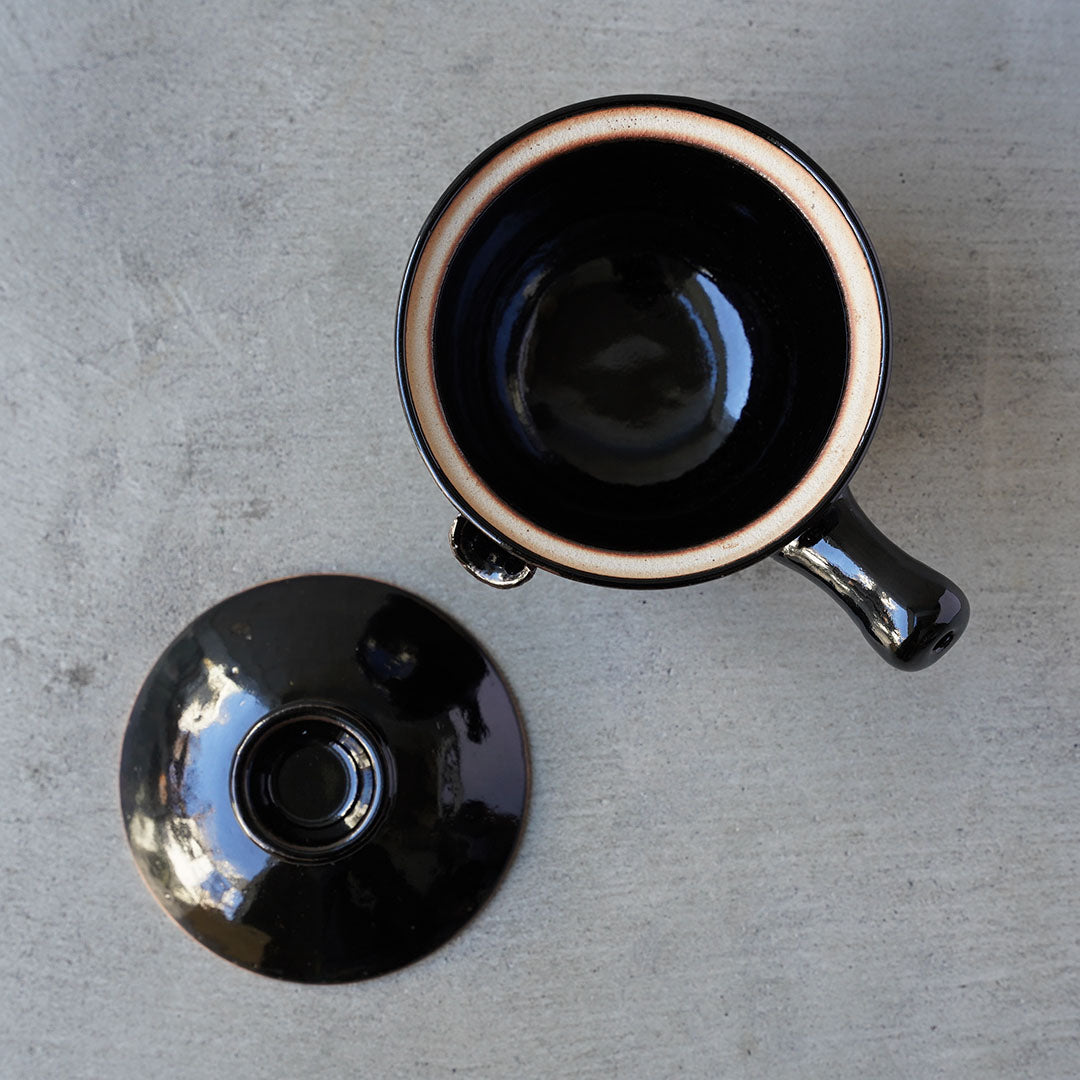
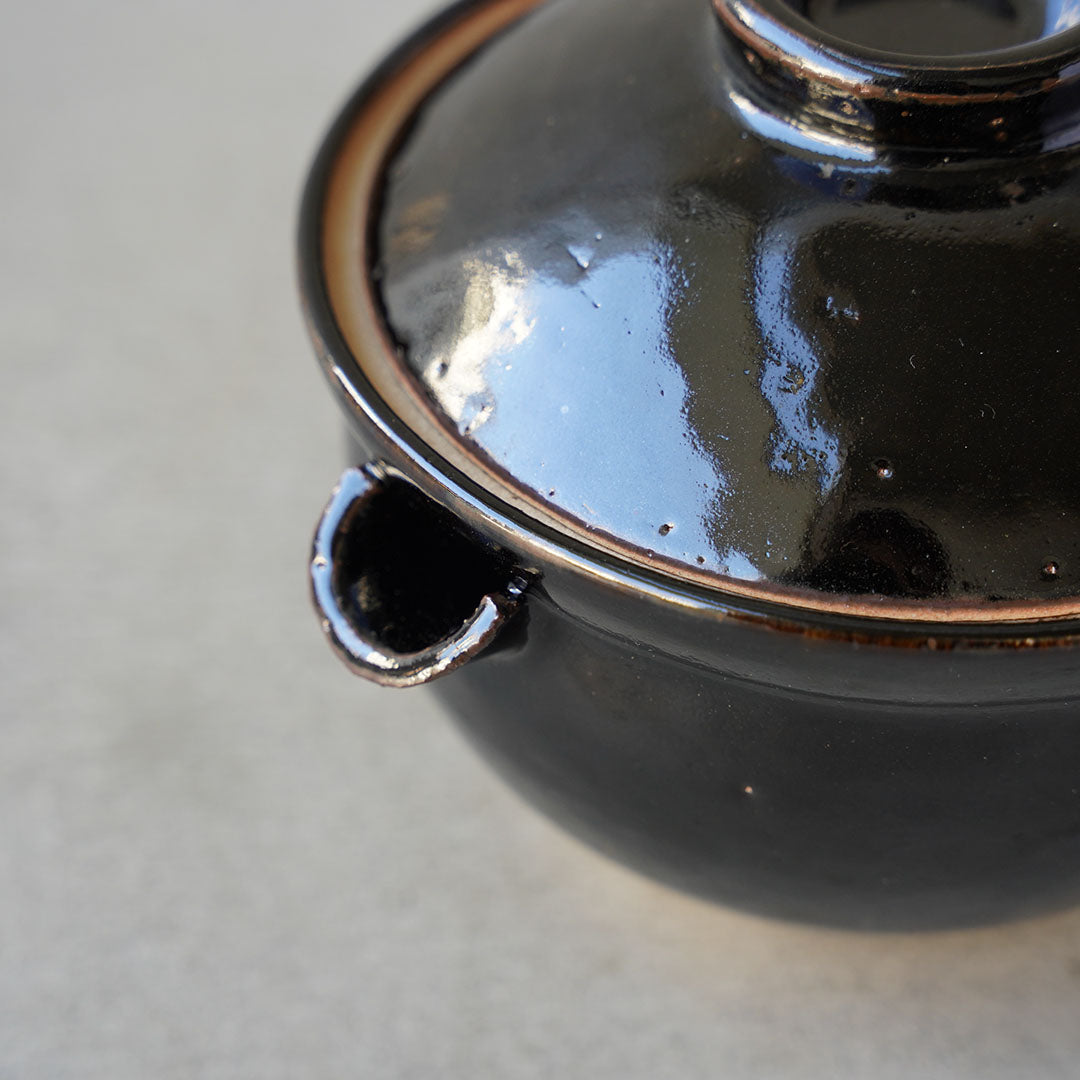
The yukihira pot is finished with a glossy black color called "Tenmoku glaze," which is rich in iron, a common feature in Iga-yaki.
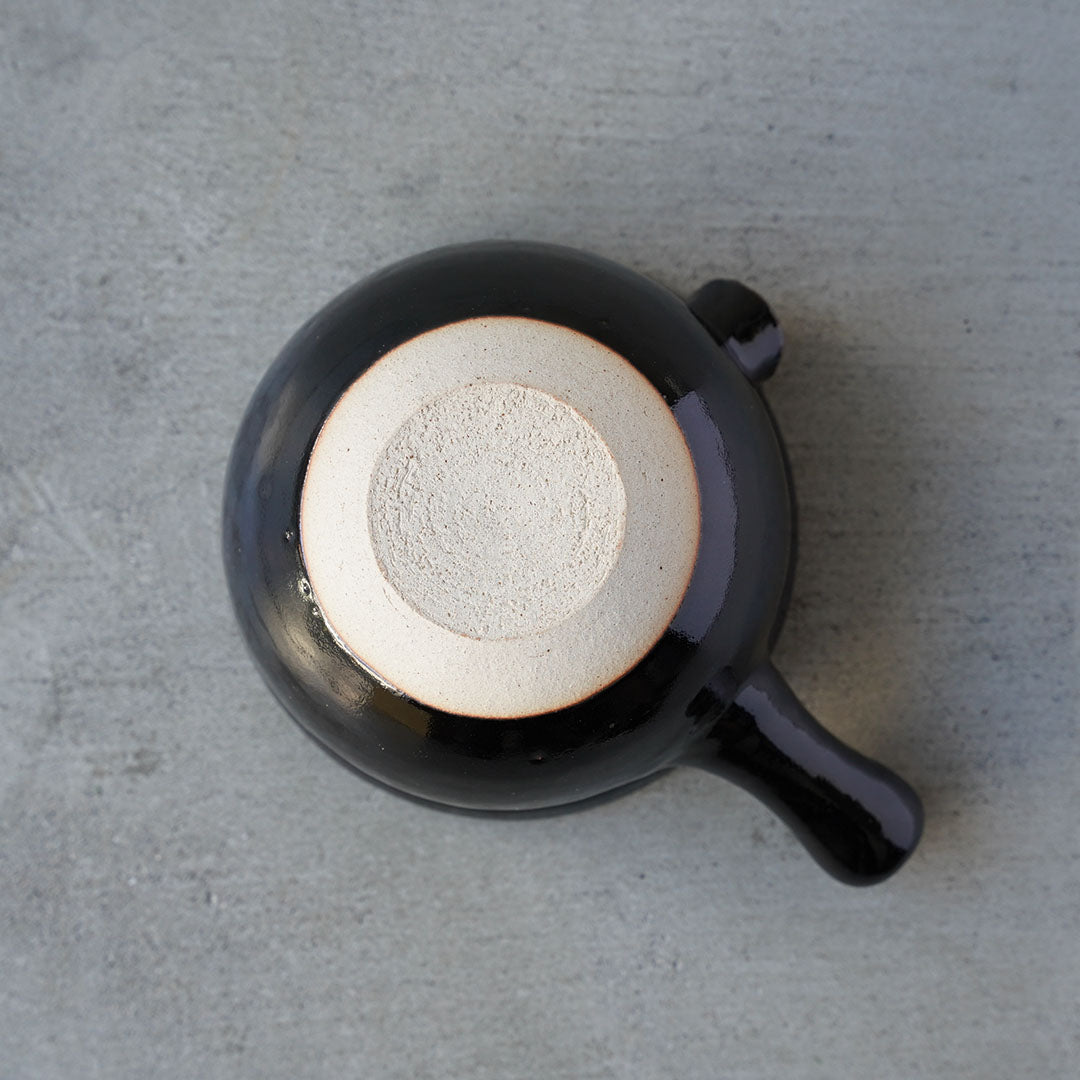
Iga is traditionally known for its high-quality nabe clay, so this pot is made from 100% Iga clay and does not contain petalite.
If petalite were included, Tenmoku glaze could not be used, making it impossible to achieve the current color and texture.
While adding petalite has the advantage of making the pot resistant to cracking even when heated, the rapid heating means it can't bring out the full flavor of the ingredients.
In contrast, Iga earthenware pots heat up slowly, allowing you to enjoy delicious hot pot dishes that highlight the natural taste of the ingredients.
>Click here for "Kanedai Touki 7-inch Donabe Black"

Kanedai Touki: Inheriting Her Father's Legacy
Asuka Ohya is the current head of Kanedai Touki.
Previously, her father, Masato-san (the fourth generation head), her mother, Hiroko-san, and Asuka-san divided the work, and Asuka grew up watching her father work from a young age.
Following Masato-san's sudden passing in June 2021, Asuka, who had primarily been in charge of finishing, attended the Shigaraki Ceramic Research Institute for a year to learn how to throw pottery and master molding. Now, as the head of the family, she and her mother work together to continue the family business and dedicate themselves to pottery making.
Asuka's positive desire to "preserve the tradition inherited from ancient times," and the donabe she creates, shaped by years of observing her late father, Masato-san, are delicate yet strong, exuding an absolute sense of security.

Iga-yaki
Iga-yaki is famous as a production area for earthenware pots, and the Iga region, once said to be the bottom of Lake Biwa, is known for its heat-resistant clay.
Pottery made from this clay is fired at high temperatures, and during this process, organic matter contained within the clay burns out, creating countless holes.
These holes provide excellent heat resistance, allowing the pot to retain heat once it's heated and distribute it evenly. This makes it ideal for earthenware pots and ceramics, offering high durability, strength, and longevity.
The porous, coarse clay of Iga, with its many pores, is said to be "breathing earth" and has a high far-infrared effect, which slowly transfers heat to the core of ingredients.
In addition to being practical, its simple and warm design, inherent strength, earthy texture, and the legacy of a long history and traditional techniques protected by artisans, all contribute to its charm. It becomes more seasoned with use and you can enjoy its aging process, making an earthenware pot a cherished item to have in every home.

Seasoning the Pot
To ensure long-lasting use, it's important to be mindful of usage precautions due to the nature of the clay.
Before initial use, a process called "Me-dome" (seasoning) is essential.
Cook leftover rice with a little water until the rice becomes a paste (over low to medium heat). Once it's simmering and thick, turn off the heat and leave it overnight.
The next day, discard the contents, wash the pot, and dry it thoroughly. This completes the process.
Seasoning helps prevent water leakage even if cracks appear at the bottom of the pot, allowing you to use it with peace of mind.

Gathering Around the Table with Japanese Hot Pot Dishes
Kanedai Touki's donabe keeps food warm, so you don't need to reheat it often, which is a great help.
Its excellent heat resistance and heat retention ensure that food cooks thoroughly, and the far-infrared effect enhances the umami, bringing out the natural goodness of the ingredients.
Even if you store cooked dishes in the refrigerator, the size is just right, and there's no need to transfer leftovers to another container.
Feel free to cook whatever your heart desires, depending on the season and your mood.